Coffee • Pepper • Areca • Soil • Research

SAARTHA ESTATE

From the Estate, Through Observation & Experiment.

A living field journal documenting the development of a diversified coffee and pepper estate, soil biology, microbial management, irrigation, shade restoration, experiments and the lessons emerging from the land.

Explore the EstateField Research2026 Planting

Welcome to My Estate

SAARTHA ESTATE is a ~7.5-acre diversified multi-crop estate in Mullur, near Sanivarsanthe, Somwarpet Taluk, Karnataka. The estate is being rebuilt, expanded and studied through practical farming, scientific thinking and continuous field observation.

~7.5 acres
Estate area
~50 Winklers/acre
Small-sprinkler irrigation network
~7.0 kL/h
Normal borewell discharge
7,195
New plants/stems planted in 2026

Location: Mullur, near Sanivarsanthe, Somwarpet Taluk, Karnataka, India.

About the founder: Girish H R, PhD, moved from more than 23 years in pharmaceutical research and development, including medicinal-chemistry and synthetic-organic research, into SAARTHA ESTATE. The estate is being developed as a practical living research environment where field observations, hypotheses, experiments and results are documented over time. Read the full profile →
Management philosophy: The estate is described as free from synthetic pesticides, herbicides and fungicides. Reduced synthetic NPK is still being used, with the intention of progressively tapering it as soil, crop and field-response evidence develops. This is not presented as a certified-organic claim.

Coffee

Coffee is the foundation of the estate, with Chandragiri Arabica and CxR Robusta established at several different ages. Arabica is also the main focus of the current White Coffee Stem Borer and leaf-rust observations.

CxR Robusta

Approximately 3,500–4,000 plants are 4–6 years old, with another ~650–1,000 younger plants from about 1–12 months.

Chandragiri Arabica

The estate currently has approximately 3,000 established Chandragiri Arabica plants. A further ~2,500 young Chandragiri plants have been established, with a future establishment programme of approximately 4,000–5,000 additional plants.

First CxR Harvest

The first Robusta harvest became a major personal milestone and one of the earliest public records in the estate journey. A broader commercial harvest of Arabica and CxR Robusta is expected from December 2026.

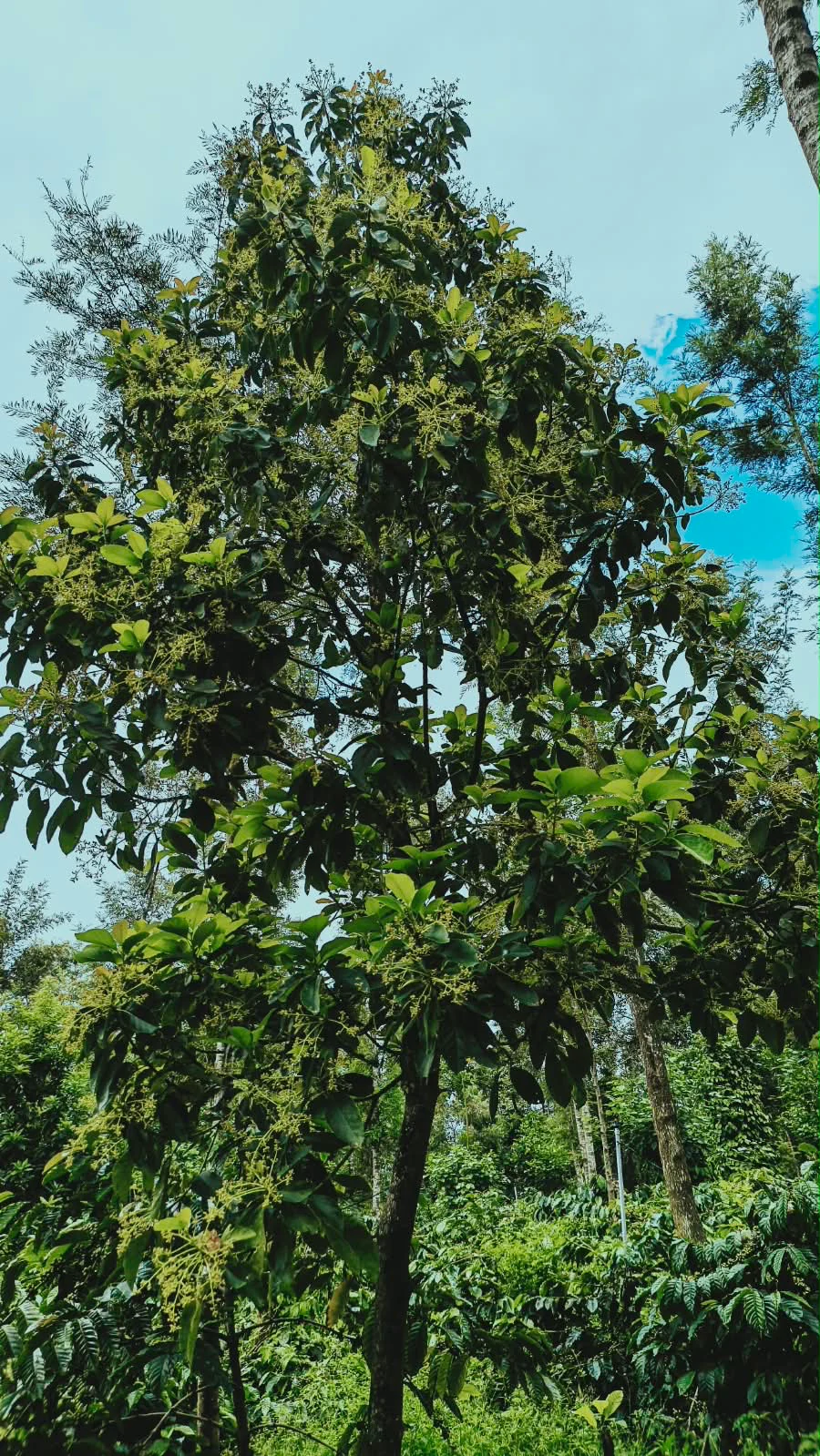
Butter Fruit (Avocado)

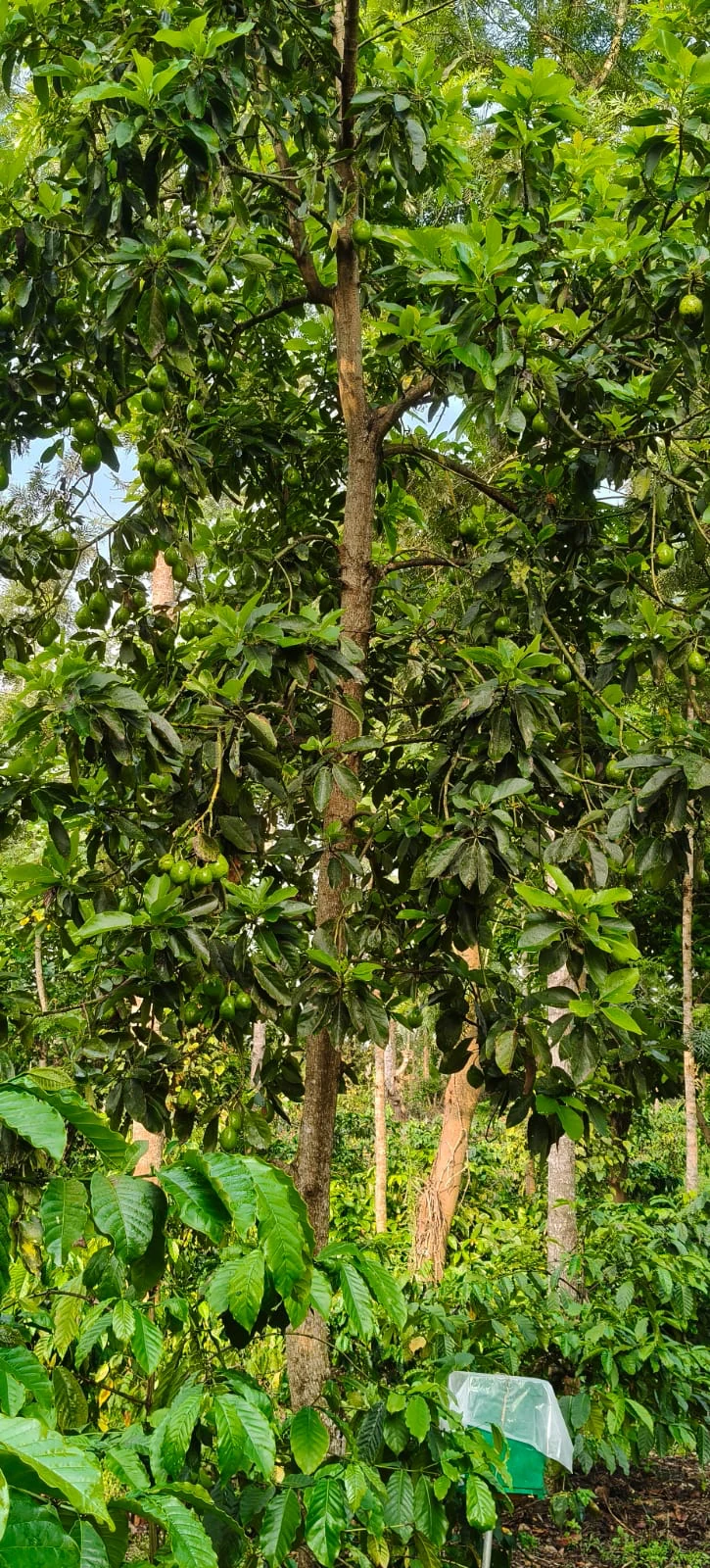
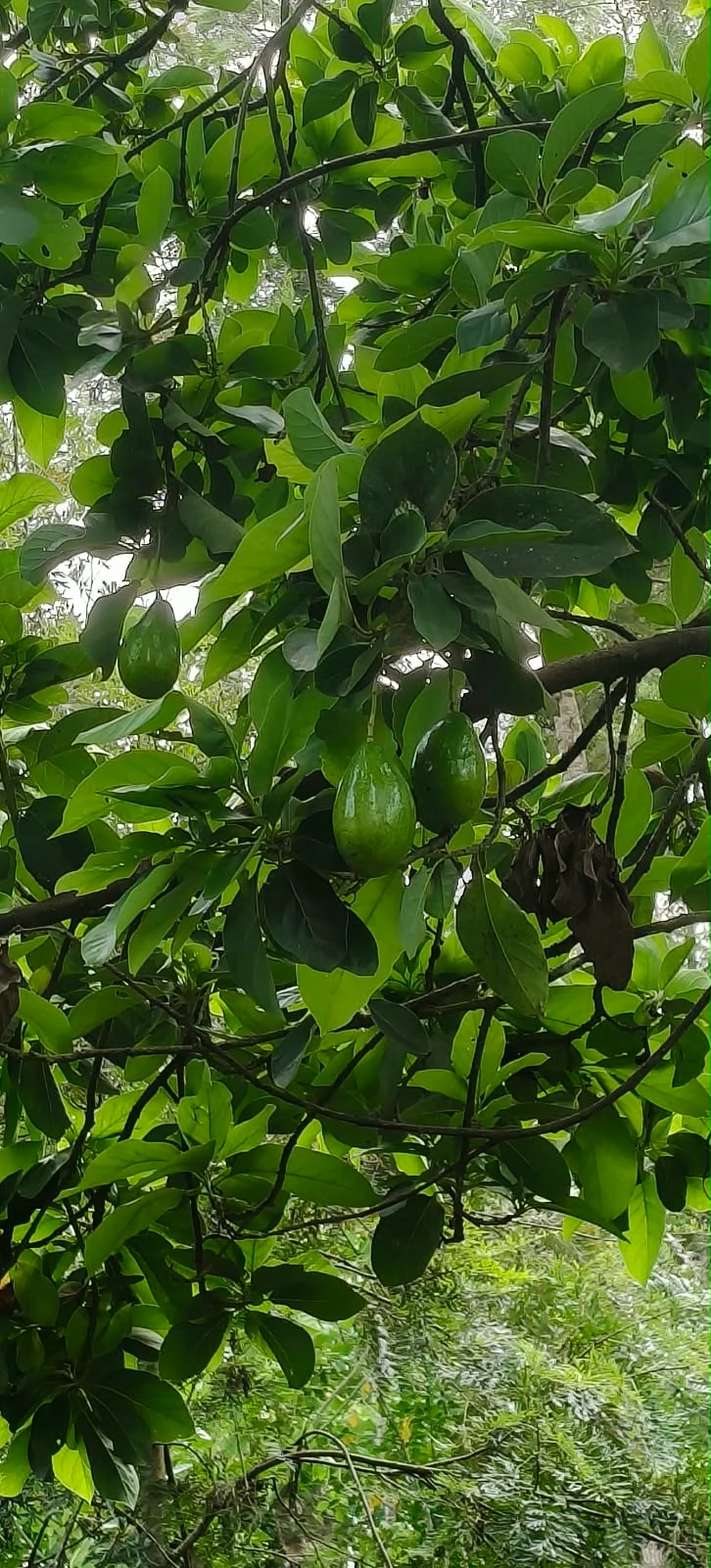
The estate has approximately 55–60 butter-fruit (avocado) trees, around 5–6 years old. A small number have already entered early fruiting, and future flowering, fruit set and harvest observations will be documented.

Arabica Health Monitoring

Field observations include shade, fruit set, leaf health, coffee leaf rust and White Coffee Stem Borer, with biological management being studied in place of routine synthetic fungicide/insecticide use.

Current field observation: In the Arabica areas being monitored, significant visible coffee leaf-rust activity has not been observed during the current observation period despite avoiding synthetic fungicide applications. This is an on-farm observation, not proof that a single microorganism caused disease suppression.

Dark Green Canopy & Berry Set

Coffee plants have been observed to develop a noticeably dark-green appearance during the period of regular bioslurry use. During the recent coffee blossom period and shortly afterwards, the estate applied the fermented bioslurry as a foliar spray twice within the month. Following these applications, the coffee plants showed a dark-green canopy and the subsequent berry set was observed to be particularly good compared with a nearby estate. These observations are encouraging, but the website records them as an association rather than proof of causation.

A working hypothesis is that improved nutrient availability, plant vigour and microbial nutrient mobilisation/solubilisation may have contributed to the response. The estate will continue to compare flowering, fruit set, plant colour and yield with application records.

Pepper

Pepper is planted throughout the estate as an intercrop and has become one of the main field-research crops, particularly for establishment, Phytophthora/wilt observations and biological pest and disease management.

Established vines

Approximately 500–600 pepper vines, 2–5 years old, are established throughout the estate.

2026 new planting

Approximately 1,300 new pepper vines were initially planted. About 200–250 were lost during continuous July–August rain. Around 200 were replanted, with another ~100 planned after a suitable rainfall event.

Early establishment milestone

The current field goal is to maintain 800–900+ healthy young vines, with around 500 reported as reaching support-tree climbing level. Month-end tying/training is planned as part of the establishment program.

Phytophthora / wilt observations

A group of approximately 10–12 old affected vines has been followed after repeated microbial-consortium soil drenches and foliar applications. Earlier observations reported visible regrowth and an estimated 50–60% recovery; this remains a preliminary case observation.

Pepper response after bioslurry applications

After the period of poor May–June rainfall and the arrival of July showers, bioslurry was applied to pepper vines through foliar spray and soil drenching during the second week of July and again during the first week of August. Following these applications, the treated vines showed an enormous emergence of new catkins together with a vigorous, full green flush. This is recorded as an on-farm observation; the vines will continue to be followed through flowering, berry set and subsequent development before drawing stronger conclusions.

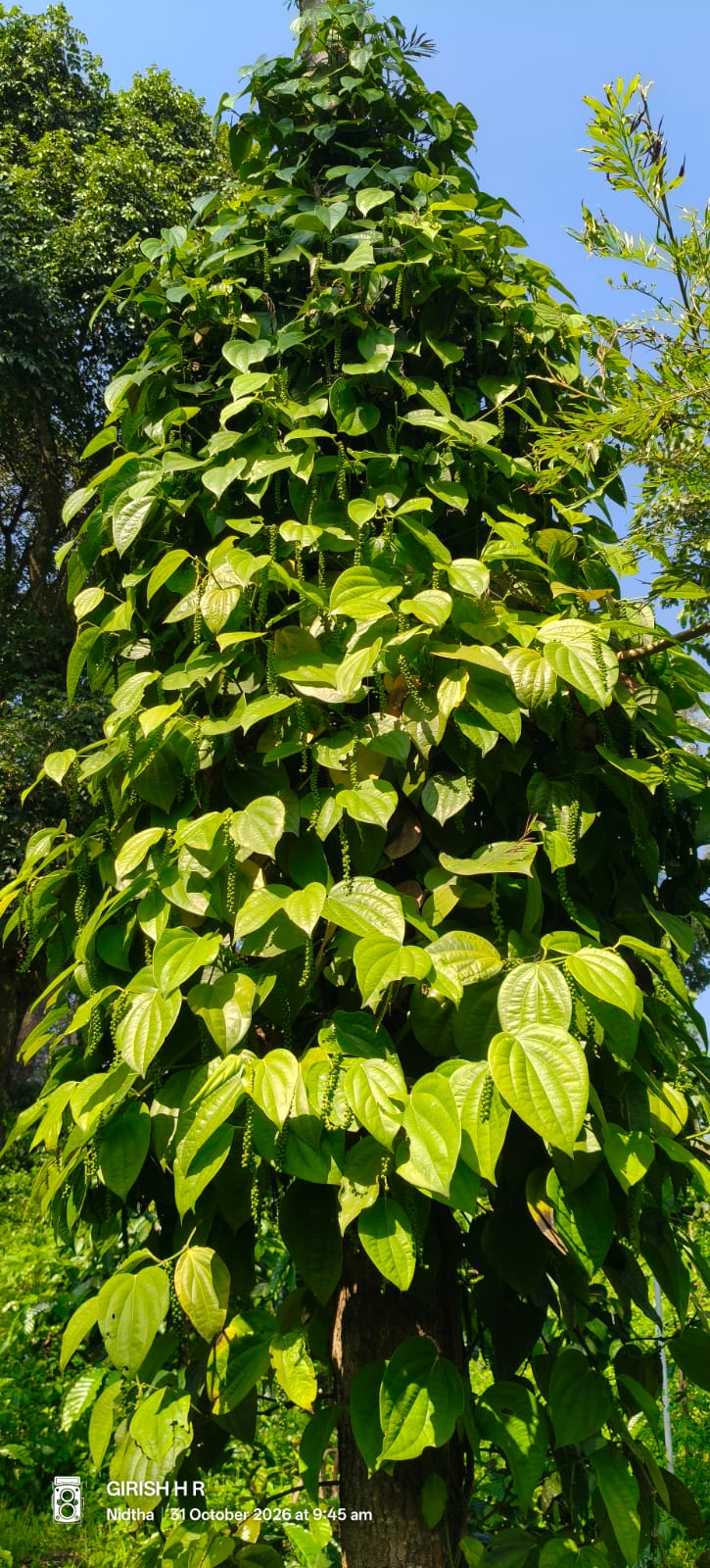
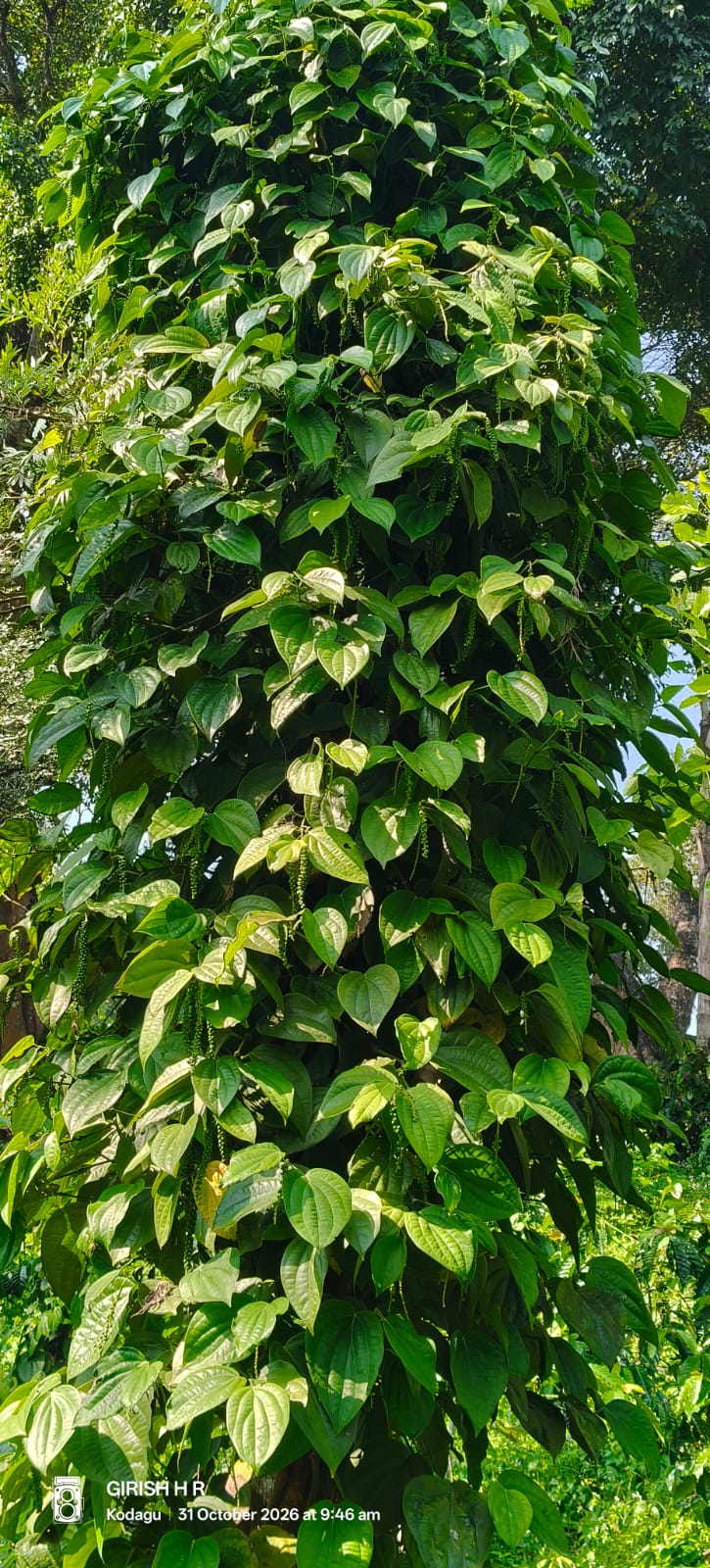
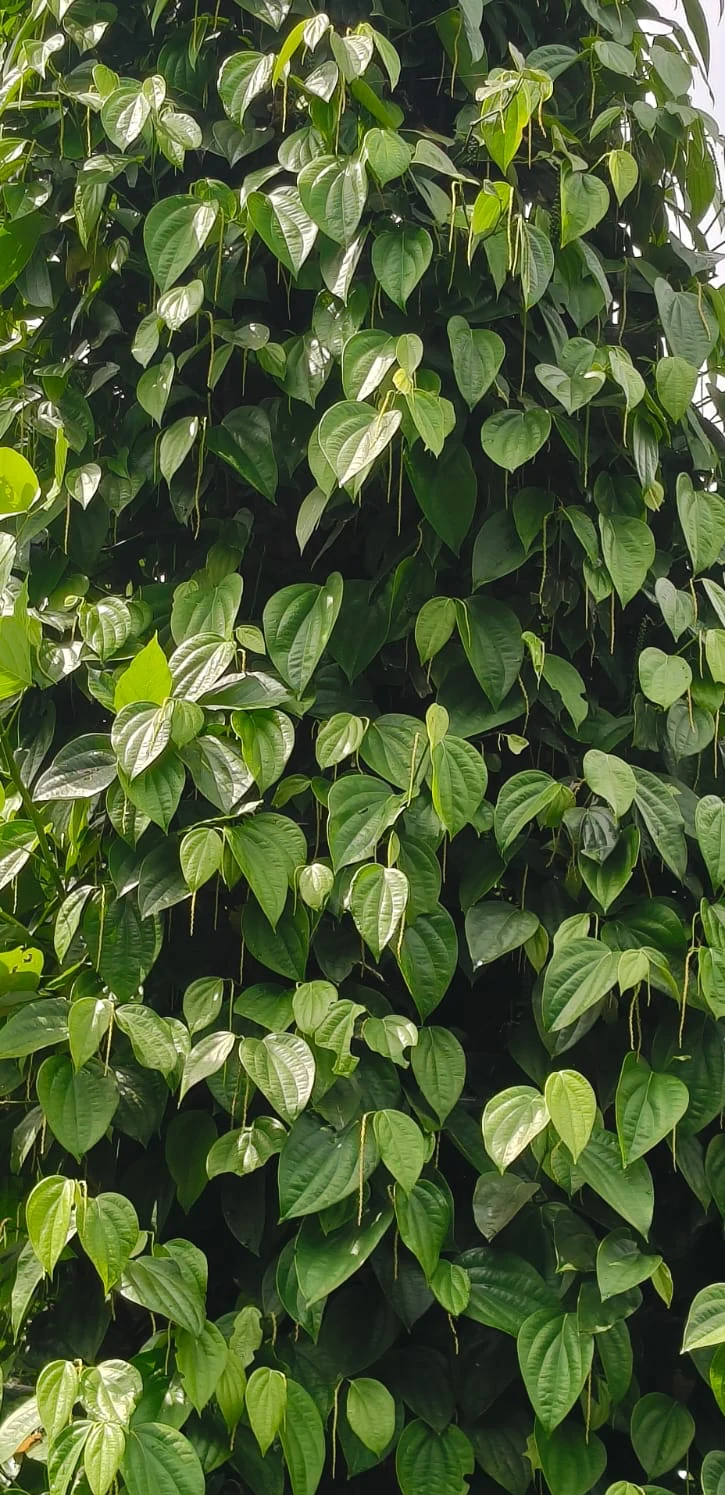
Established Pepper Vine on Halwana — 11 September 2026

This field photograph from Mullur shows an established pepper vine covering its living support tree, with dense foliage and visible hanging spikes. It records the vine's overall growth and canopy coverage.
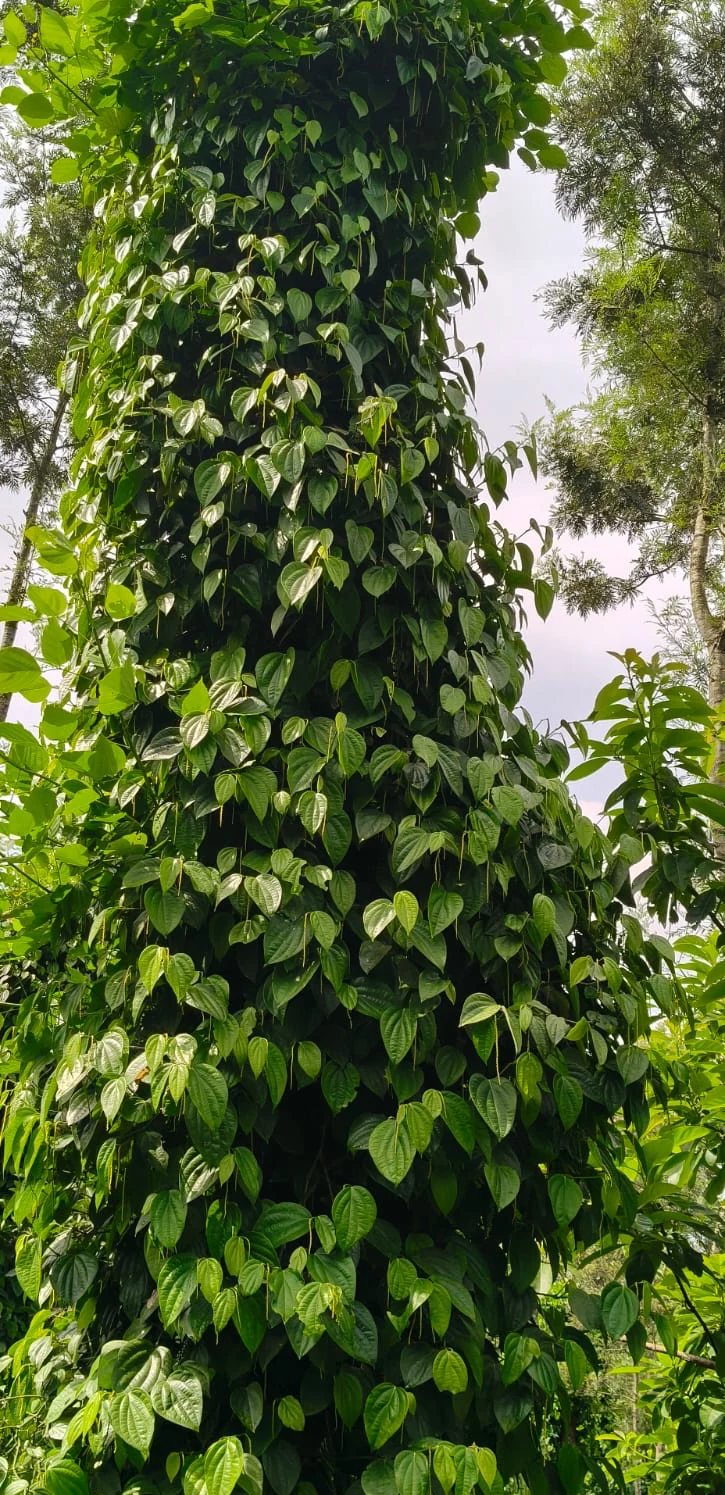
SAARTHA ESTATE pepper vine growing densely over a living Halwana support tree, photographed in Mullur on 11 September 2026

Pepper Spikes and Foliage — Close-up, 11 September 2026

The closer view records the pepper foliage and several hanging spikes on the same estate vine. It is a visual field record rather than a measurement of spike number or future berry set.
Close-up of pepper leaves and hanging pepper spikes on a SAARTHA ESTATE vine in Mullur, photographed on 11 September 2026

Bioslurry Preparation, Multiplication & Fertigation

The estate uses a defined microbial consortium supplied by a laboratory, prepares a mother culture on the farm, multiplies it through a rolling 10-barrel system and applies the resulting bioslurry through the Winkler irrigation network.

1. Mother Culture — 225 L

The current estate protocol uses 2 kg of the talc-based bioslurry formulation, 2–3 packets of OWDC, 6–10 kg fresh cow dung, 1 kg gram flour (besan) and 1 kg jaggery. The mixture is made up to approximately 225 L and fermented for 5–7 days until ready.

2 kg formulation+2–3 OWDC packets+6–10 kg cow dung+1 kg besan+1 kg jaggery→5–7 days fermentation

2. Rolling Multiplication — 10 × 225-L Barrels

Once the mother culture is ready, it is divided into 10 barrels of 225-L capacity. Each barrel retains approximately 10–15% of the previous culture. To continue the cycle, 1 kg jaggery + 1 kg gram flour are added and the barrel is made up to 225 L.

Each barrel is stirred 2–3 times per day for 1–2 minutes. After approximately 6–8 days, about 85–90% is used for field application while the retained portion starts the next cycle. A fresh mother culture is prepared after every four multiplication cycles.

Practical maturity indicators: the estate currently considers consistency resembling boiled rice water, together with the characteristic fermented/alcoholic and mild sulfurous odour, as useful field indicators. A black batch is not retained for further multiplication, although it may still be used for fertigation.

3. Bioslurry Fertigation

The multiplied bioslurry is not manually applied around individual plants. It is fed into the main borewell irrigation line using an HPT sprayer pump while the Winkler system is operating. This allows the microbial suspension to be distributed across the estate through the existing irrigation network.

A typical working run uses approximately 9 × 225-L barrels. The HPT pump transfers the bioslurry into the irrigation main over approximately 2.3–3 hours, while the irrigated Winkler groups are changed progressively across the estate. The final barrel is handled carefully to reduce the possibility of sediment or coarse material reaching the suction mesh.

Normal irrigation and fertigation are treated separately: normal irrigation generally runs for about 1 hour to 1 hour 10 minutes for a working group, whereas fertigation is the controlled injection of the prepared bioslurry into the irrigation system during the longer estate-wide application cycle.

Field video — Bioslurry fertigation: the video documents the estate's practical fertigation operation using the prepared bioslurry, HPT pump and irrigation network. This is a field-recording of the current estate practice.

Why This System Is Being Studied

The objective is not to assume that microorganisms manufacture nutrients that are absent from the soil. Rather, the research question is whether biological activity can improve nutrient cycling, decomposition, solubilisation and mobilisation of nutrients already present in soil and organic matter, while reducing dependence on synthetic inputs over time.

The estate will therefore compare bioslurry use with soil condition, plant growth, flowering, fruit set, disease observations and yield records. Field observations are recorded as observations or working hypotheses unless supported by appropriate measurements or controlled comparisons.

Soil & Microbes

The estate's biological-management system combines a purchased microbial consortium, on-farm multiplication, bioslurry fertigation, foliar/soil applications, OWDC-assisted biomass decomposition and progressive reduction of synthetic NPK.

Microbial Consortium Supplied by the Laboratory

The purchased formulation was developed after detailed discussion with the formulation scientist/laboratory. The supplied consortium is then fermented or multiplied on the farm. The formulation includes fungal bioagents, beneficial bacteria, entomopathogenic fungi, nutrient-solubilizing microorganisms, nitrogen-fixing bacteria and micronutrient-associated components.

Proprietary formulation note: The laboratory has deliberately not disclosed some microorganisms associated with the mobilisation of Fe, Zn and Si because those details are treated as trade-secret/proprietary information. The public website therefore does not attempt to identify those undisclosed organisms.
ComponentLab-supplied specificationMain activity / intended role
Trichoderma viride2 × 108 CFU/gMycoparasitic/antagonistic fungus; root colonization, antifungal metabolites, root support and organic-matter decomposition.
Trichoderma harzianum2 × 108 CFU/gStrong root colonizer; antagonism against pathogenic fungi; supports vigorous roots and stress tolerance.
Pseudomonas fluorescens2 × 108 CFU/gDisease suppression, siderophore production, phosphorus solubilization and plant-associated resilience.
Bacillus subtilis2 × 108 CFU/gEnzymes, antibiotics/growth-promoting compounds and nutrient-solubilizing activity.
Paecilomyces lilacinus2 × 108 CFU/gBiological control component associated with suppression of plant-parasitic nematodes.
Verticillium lecanii2 × 108 CFU/gEntomopathogenic fungus associated with biological management of sucking pests.
Beauveria bassiana2 × 108 CFU/gEntomopathogenic fungus for biological management of susceptible insect pests, including borer groups.
Metarhizium anisopliae2 × 108 CFU/gEntomopathogenic fungus associated with soil insects, root grubs and other susceptible pests.
Azotobacter5 × 107 CFU/gAtmospheric nitrogen fixation and plant-growth promotion.
Phosphate-Solubilizing Bacteria (PSB)5 × 10⁷ CFU/gConverts less-available phosphorus into more plant-available forms.
Potash-Mobilizing Bacteria (KMB)5 × 10⁷ CFU/gMobilises potassium associated with soil minerals.
Sulphur-Oxidizing Bacteria5 × 107 CFU/gConverts elemental sulphur to sulphate and supports sulphur availability.
Iron (Fe)Specified by laboratory as part of the formulation; associated microbial strain(s) are proprietary.Micronutrient component; associated with chlorophyll synthesis, photosynthesis and enzyme function.
Zinc (Zn)Specified by laboratory as part of the formulation; associated microbial strain(s) are proprietary.Micronutrient component; associated with auxin synthesis, root growth and flowering.
Silicon (Si)Specified by laboratory as part of the formulation; associated microbial strain(s) are proprietary.Associated with tissue strength and stress tolerance.

The CFU figures above are the laboratory's supplied formulation specifications. They are not independent counts of the organisms in each farm-fermented batch.

How We Judge Fermentation Readiness

After approximately 5–7 days of fermentation, the estate also uses practical physical observations before deciding how the batch will be used. A ready batch is observed to develop a consistency similar to boiled rice water, together with a characteristic alcoholic/fermented smell and a sulphur-like smell.

These are recorded as on-farm observations, not as laboratory tests of microbial viability. Colour is also observed. If the bioslurry turns black, the batch is not used for further multiplication, but, according to the estate's current field practice, it can still be used for fertigation.

Mother Culture Preparation

The estate prepares a fresh mother culture that is then used to initiate subsequent bioslurry multiplication cycles. The current on-farm preparation uses 2 kg of the talc-based bioslurry formulation, 2–3 packets of OWDC, 6–10 kg fresh cow dung, 1 kg gram flour (besan) and 1 kg jaggery. The mixture is allowed to ferment for approximately 5–7 days until considered ready for use as mother culture.

2 kg talc-based bioslurry+2–3 OWDC packets+6–10 kg fresh cow dung+1 kg gram flour+1 kg jaggery→5–7 days

This is the estate's current mother-culture preparation practice, based on the formulation developed with the laboratory/scientist. It is a farm protocol, not a universal application recommendation.

On-Farm Bioslurry Multiplication Protocol

The estate uses 10 barrels of 225-L working volume. After the mother culture is ready, the 225-L mother culture is divided among 10 multiplication barrels, and each barrel is made up to approximately 225 L. About 10–15% is retained from each barrel as inoculum for the next cycle. A fresh mother culture is prepared after every four multiplication cycles.

Retain 10–15%→+ 1 kg jaggery++ 1 kg gram flour→Make up to 225 L→Stir 2–3×/day→~5–7 days

Contents are stirred approximately 2–3 times per day for 1–2 minutes. The current working cycle is approximately 5–7 days, with readiness judged mainly from physical appearance and smell. This is the estate's current farm protocol, not a universal application recommendation.

Microbial-growth hypothesis: The estate expects nutrient-cycling organisms and Trichoderma to multiply relatively readily under favourable fermentation conditions, while entomopathogenic fungi may establish more slowly. However, relative microbial concentration is not assumed from appearance alone; confirming changes in CFU or viable counts would require laboratory analysis. Successive multiplication cycles may therefore alter the microbial balance, which is an area for future measurement.

Whole-Farm Bioslurry Fertigation

The bioslurry is not manually poured around plants. Because manual application of multiple barrels is not economical, the farm continuously feeds bioslurry into the main borewell delivery/deadline pipe using an HPT sprayer pump while the Winkler irrigation network is running.

~100–110 L
Bioslurry per ~15-minute fertigation shift
5–6 Winklers
Approx. area group per fertigation shift
~50 Winklers/acre
Approx. estate Winkler density
~6.1–6.5 kL
Approx. bioslurry applied over a full 7.5-acre round

During fertigation, the farm changes the irrigated group approximately every 15 minutes and continues until the working barrels are exhausted. A typical multiplication cycle provides 9 working barrels × 225–240 L ≈ 2,025–2,160 L; approximately three such 9-barrel outputs are currently used to cover the entire 7.5-acre estate.

Important distinction: normal irrigation and fertigation have different operating schedules. Normal irrigation runs about 1–1 h 10 min per 5–7 Winklers. The fertigation operation uses repeated 15-minute bioslurry-injection shifts as the farm moves from one area to the next.

Current Synthetic NPK Baseline

During the current nutrient-management period, the estate has continued to use reduced synthetic fertilizer inputs alongside the biological program. One reported coffee application included 10 bags of DAP, 50 kg each (18-46-0), 6 bags of urea, 45 kg each, and 5 bags of MOP, 50 kg each (0-0-60).

For this application, the product quantities were approximately 500 kg DAP (18-46-0), 270 kg urea, and 250 kg MOP (0-0-60). Using the stated fertilizer grades, this corresponds to approximately 139.5 kg total N, 230 kg P2O5, and 150 kg K2O. Older pepper vines also received approximately 50–75 g per vine of additional fertilizer around catkin initiation; the exact product grade for that pepper application is kept as a separate field record.

The intention is not to stop mineral nutrition abruptly, but to use soil and crop response to decide how far synthetic NPK can be progressively tapered while bioslurry, organic biomass recycling and microbial nutrient cycling continue.

Annual Bioslurry Fertigation Plan

The current plan is to maintain several whole-estate bioslurry fertigation rounds rather than treat one application as a complete nutrient replacement. Two rounds were completed in February and March 2026, further rounds are being carried out in August and September, and an additional October round may be added depending on field conditions.

This is being treated as a practical annual management baseline while the estate continues to observe soil condition, plant growth, flowering, fruit set and yield before making further reductions in synthetic NPK.

Biomass Recycling + OWDC

Brush cutting generates substantial green mulch about every 40–50 days. The estate also produces green litter from coffee pruning, Halwanna, Silver Oak and forest-tree pruning. This biomass is being returned to the system, with OWDC used together with bioslurry to support decomposition and organic-matter recycling.

The wider research question is whether this continuous return of biomass, combined with microbial nutrient mobilisation and bioslurry fertigation, can gradually reduce dependence on externally supplied synthetic NPK while maintaining crop performance.

Soil Structure & Green Biomass

The estate is also observing a gradual change in soil structure as green litter from brush cutting and pruning is repeatedly returned to the soil surface. Coffee, shade-tree and other estate biomass is being retained as mulch rather than removed. Together with bioslurry and OWDC-assisted decomposition, this is being investigated as a possible contributor to improving organic-matter cycling and soil physical condition.

The present observation is encouraging, but the website deliberately does not claim that bioslurry or mulch alone caused the change. Future soil-organic-matter, aggregation, moisture-retention and biological measurements can strengthen the record.

Water & Winkler Irrigation

Water management is central to the estate because the borewell yield changes with the season. The irrigation record therefore reports both the normal discharge and the summer decline rather than treating one flow rate as constant year-round.

~7,000 L/h
Normal observed borewell discharge
6,500–7,000 L/h
Observed summer baseline after sustained pumping
5–7 Winklers
Operated at a time, depending on valve section and line length
1–1 h 10 min
Typical duration of a normal irrigation cycle

Under normal conditions, a cycle generally runs for approximately 1 hour to 1 hour 10 minutes. The number of Winklers is adjusted according to the valve section and irrigation-line length. 13–15 mm is used specifically for the fertigation application, not as the normal irrigation-cycle depth.

Summer management: During April and May, when borewell yield may fall to around 6,500–7,000 L/hour, irrigation duration, the number of Winklers operated simultaneously and the interval between cycles may be adjusted according to available water.

Research & Field Experiments

SAARTHA ESTATE treats field management as an ongoing set of observations and experiments. Claims are separated into observed results, working hypotheses and future plans.

Arabica Leaf Rust

Current observation: no significant visible leaf-rust activity observed in the monitored Arabica areas during the current observation period despite no synthetic fungicide applications.

Working hypothesis: the combined biological environment—including Lecanicillium lecanii, Trichoderma viride/T. harzianum, plant vigour, shade, soil biology and weather—may contribute to lower disease pressure. No single organism is claimed to be solely responsible.

White Coffee Stem Borer (WCSB)

WCSB remains an active research area. The current approach combines shade management, biological inputs, natural predators, monitoring and a planned botanical/mineral surface-treatment program.

Current spray formulation: 1–2% lime + 0.5% neem oil + 0.1% DDL gum. The estate is not aiming for a thick lime coating at this concentration; the working hypothesis is that the treated stem surface may be less favourable for adult landing and oviposition, while neem may provide additional repellency.

Schedule: four preventive spray rounds each year — September, October, March and April — covering the two main observation windows of September–October and March–April.

Another working hypothesis is that entomopathogenic fungi already present on treated stems may interact with eggs or early stages. Beauveria bassiana and Metarhizium anisopliae are being monitored as part of this biological-control concept, but egg infection and any resulting reduction in WCSB pressure still require field evidence.

Last year's very hot summer was associated with severe borer damage in the estate, while nearby growers reported heavy losses despite two or three organophosphorus-insecticide sprays. This is recorded as context for the experiment, not as a controlled comparison of treatments.

Natural Predators

Spider webs have been observed on almost all coffee plants. This is being treated as a potentially important ecological observation because spiders may capture adult insects before egg laying. The contribution to WCSB suppression remains a field hypothesis requiring continued observation.

Why the Borer Has Not Yet Declined

Although the lime–neem program and microbial applications may provide indirect ecological benefits, WCSB pressure has not yet clearly declined. One possible explanation is that the major pressure last season was associated with unusually high summer heat, and larvae already established inside stems are not directly reached by a surface spray. The current program is therefore being evaluated mainly as a preventive approach aimed at the adult/egg-laying stage.

Pepper Phytophthora / Wilt

Approximately 10–12 old affected pepper vines have received repeated microbial-consortium soil drenches and foliar applications. Earlier field notes reported visible regrowth and estimated 50–60% recovery over 5–6 months. Causation has not been isolated.

Integrated biological-management philosophy: The estate is not trying to claim that synthetic crop-protection products can never be needed. The research question is whether a combination of healthy soil biology, shade, nutrition, irrigation, biomass recycling, microbial inputs, botanical measures and natural predators can reduce the need for routine synthetic pesticide/fungicide use while maintaining healthy and productive crops.

Why Avoid a Chemical-Only Mindset?

Some synthetic pesticides, including certain organophosphate insecticides, can pose neurological and occupational risks and may also create risks to non-target organisms. Pesticide fate and residue behaviour differ by active ingredient, product and application conditions. SAARTHA ESTATE therefore focuses on reducing unnecessary reliance on synthetic crop-protection chemicals rather than making blanket claims about every pesticide.

“Rather than asking people to simply believe me, I want to document what the field itself shows over time.”

2026 — The Year of Estate Rebuilding

After the property was purchased in November 2025, greater attention was given to a previously neglected ~2-acre portion. Approximately 80% of the year's plantation work was concentrated in that area.

Crop / planting2026 new plants/stemsNotes
CxR Robusta650New planting completed in July 2026
Chandragiri Arabica3,000+Current estate population; another ~4,000–5,000 plants are planned for the following year, with the intention of raising them through the estate's own nursery using selected seed from estate plants
Black Pepper1,300~200–250 initially lost in continuous July–August rain; ~200 replanted; further ~100 planned after suitable rain
Areca1,450Planting completed
Halwanna1,000Planted in July; >97% reported to have started new shoots
Dhoopa270Planted
Fruit plants25For home-use / estate diversity
Total7,195Current 2026 planting total

The 7,195 figure is the current 2026 planting total based on the original planting count for each crop in the table. Pepper replanting is recorded separately and is not added again to the headline total.

Shade Restoration

The estate experienced damage in the previous year associated with inadequate secondary shade. Around 1,000 Halwanna stems have been planted as the developing secondary shade layer, with the aim of reaching approximately 6–10 ft and substantially improving protection for younger coffee.

Temporary Sesbania Shade

The plan is to sow about 2 Sesbania grandiflora seeds per young coffee plant after a suitable rainfall event, then use early tip pruning at about 1.5–2 ft to encourage a wider temporary canopy. The purpose is protection during the March–May heat until Halwanna becomes established enough to serve as the main secondary shade layer.

Earthworm Observation

During the recent planting of approximately 1,450 Areca palms, abundant earthworms were observed in almost all planting pits. This is being retained as a field observation of biological soil activity, not as a stand-alone proof of soil fertility.

Own Chandragiri Nursery

Another ~4,000–5,000 Chandragiri plants are planned for next year and are intended to be raised through an estate nursery using seed selected from the farm's own plants. The future record will track mother plants, seed selection, nursery growth, field establishment and later performance.

Field Notes from LinkedIn

An archive of early public notes documenting the transition from pharmaceutical research to estate farming and the first stages of SAARTHA ESTATE.

1. Back to the Pavilion—Where My Roots Began

Origin story

After 23 years in corporate and pharmaceutical research, the decision was made to return to agriculture. The post described a search for nature, purpose, creative control, peace and direct work with the land, with gratitude for family support.

2. My First Coffee Harvest!

First CxR harvest

The first Robusta harvest was described as a major personal milestone and an early moment of seeing the results of estate work become tangible.

3. The Journey to Pure Soil: Transparency in Every Bean

Clean-crop and input transition

The post described Coffee, Black Pepper and Avocados being managed without synthetic insecticides, pesticides and herbicides, while documenting reduced inorganic NPK use and the intention to phase it down progressively.

4. Coffee Fruit Set, Winkler Irrigation & Multi-Crop Development

Irrigation and establishment

Coffee fruit set was encouraging despite insufficient rainfall. Winkler irrigation was installed alongside investment in Areca, Pepper, Chandragiri and CxR, with the following 3–4 years viewed as an establishment phase.

5. Pepper Catkins After the July Rains

Field observation

July rain was followed by renewed green growth and fresh catkins. The post introduced ongoing field research on wilt-affected pepper and raised a hypothesis about the effects of repeated Bordeaux applications on beneficial microbial activity.

6. Reviving Phytophthora-Affected Pepper Vines

Preliminary case observation

Old affected vines were followed over 5–6 months. The post reported visible regrowth and an estimated 50–60% recovery after microbial-consortium treatments. The website treats this as an on-farm case observation, not proof of causation.

7. Pepper & Chandragiri Harvest

September 2026 field update

Fresh pepper catkins, green flush and Chandragiri berries were documented. The associated photographs were dated 11 September 2026 and formed part of the early visual archive of the estate.

These early public notes are now part of the permanent field history of SAARTHA ESTATE.

About Girish

From Pharmaceutical Research to My Roots in Agriculture

Agriculture has always been a part of my life. My father and ancestors were agriculturists, and I grew up closely connected to farming. I often describe agriculture as something that runs in my genes and blood. During my childhood and school years, I actively participated in several agricultural activities and remained deeply attached to the land until I moved away for higher education.

Even then, I carried a dream within me — to develop a diverse, multi-crop coffee estate that would bring together coffee, pepper, areca and other suitable crops. It was a dream I nurtured from childhood, and today, I feel fortunate to see it gradually becoming a reality, made possible through the constant encouragement and support of my better half.

My academic journey took me in a different direction, into the world of pharmaceutical sciences and scientific research. I completed my Bachelor of Pharmacy (B.Pharm) in 1999 through a government seat, followed by a Master of Pharmacy (M.Pharm) in 2002 with the support of a government scholarship. Driven by a deeper interest in chemistry and research, I subsequently pursued my doctoral degree in Synthetic Organic Chemistry at Manasagangotri, Mysore, completing it in 2007, also with scholarship support.

This academic foundation led me to a career spanning approximately 23 years in pharmaceutical research and development. During this journey, I had the opportunity to work with several research organisations, including Aurigene (Dr. Reddy's Laboratories), Jubilant, LGC and Anthem, among others. These experiences shaped my approach to scientific problem-solving, experimentation, critical evaluation and systematic documentation.

Bringing a Researcher's Mindset to the Farm

My transition from pharmaceutical R&D to agriculture is not a departure from science. In many ways, it is an opportunity to apply the same scientific curiosity and research-oriented thinking in a completely different environment.

At SAARTHA ESTATE, Mullur, Kodagu, I look at farming as a continuous process of learning, observation and experimentation. Soil health, plant nutrition, microbial activity, water management, irrigation, crop health and the interactions between different plants are areas that constantly interest me.

I enjoy observing how plants respond to different growing conditions, exploring practical approaches, evaluating their outcomes and documenting what works under our local field conditions. My particular interests include coffee cultivation, pepper establishment and plant health, areca development, bioslurry and beneficial microbial applications, and efficient irrigation and fertigation practices.

My approach is guided by a simple principle: observe carefully, question conventional practices, experiment responsibly, document the results and keep learning. I do not believe that every recommendation or practice will produce the same result in every field. Agriculture requires patience, practical understanding and continuous adaptation to nature and local conditions.

A Dream for the Years Ahead

SAARTHA ESTATE represents the coming together of my family heritage, childhood dream and scientific journey. My long-term vision is to develop a productive, diverse and resilient multi-crop estate, with coffee, areca and black pepper forming its principal pillars, supported by other suitable crops and trees.

I also hope to gradually improve soil biological activity, use water and nutrients more thoughtfully, and reduce dependence on synthetic crop-protection chemicals through careful field management and observation.

After spending more than two decades in pharmaceutical research, I have returned to the land that has always been close to my heart. The laboratory has given way to the field, research notebooks to farm records, and controlled experiments to the complexity of nature. Yet, the fundamental approach remains unchanged: observe, question, experiment, document and learn.

I see SAARTHA ESTATE not merely as an agricultural venture, but as a lifelong journey — a place where my roots, family, scientific experience and childhood dream come together. This is where I hope to spend the rest of my life, continuing to learn from the land and nurturing it for generations to come.

Field Diary — September 2026

Pepper

Vigorous established vines, fresh catkins, young-vine establishment and ongoing WCSB/Phytophthora observations.

Coffee

Continued monitoring of Chandragiri and CxR, berry development, shade and disease pressure. Dark-green canopy and good berry set following the recent bioslurry foliar program are being recorded as field observations.

Soil

Earthworm abundance observed in almost all pits during the 1,450-Areca planting; biomass recycling and OWDC decomposition continue.

Butter Fruit

Butter fruit (avocado) remains part of the diversified fruit planting, with establishment and future flowering, fruit-set and harvest observations to be added to the field diary.

Water

Borewell discharge is normally around 7 kL/h. After sustained pumping, the observed summer baseline has remained around 6.5–7.0 kL/h; Winkler irrigation remains central to establishment and fertigation planning.

What This Website Will Document

This site is intended to grow with the estate: photographs, videos, rainfall, irrigation, planting dates, disease observations, soil tests, fertigation cycles, harvests and experiments will be added as evidence becomes available.

Observe

Record what is actually seen in the field.

Experiment

Try practical approaches and define the question being tested.

Measure

Add soil, crop, weather and yield measurements wherever practical.

Document

Keep dates, photographs, treatments and outcomes together.

“Observe. Experiment. Document. Learn.”

SAARTHA ESTATE — Visual Field Story

The website is being redesigned around the estate's own photographs. Coffee plants and pepper vines should form the visual identity, while crop, harvest, water and bioslurry photographs provide dated field evidence.

Lush coffee plants and pepper vines at SAARTHA ESTATE
Coffee + Pepper — the living landscape of SAARTHA ESTATE
Avocado tree in abundant bloom at SAARTHA ESTATE, photographed by the owner’s son in October 2026
Butter fruit in full bloom — October 2026
A seasonal field observation from SAARTHA ESTATE. Flowering is encouraging; fruit set and final yield remain to be observed.
SAARTHA ESTATE established black pepper vine covering its Halwana support tree, photographed 11 September 2026
Black Pepper — established vine on a Halwana support tree
Full view of the vine and its canopy at SAARTHA ESTATE, Mullur, 11 September 2026.
Close-up of pepper leaves and hanging pepper spikes at SAARTHA ESTATE, photographed 11 September 2026
Black Pepper — spikes and foliage close-up
A closer field view of the pepper spikes and foliage, 11 September 2026.
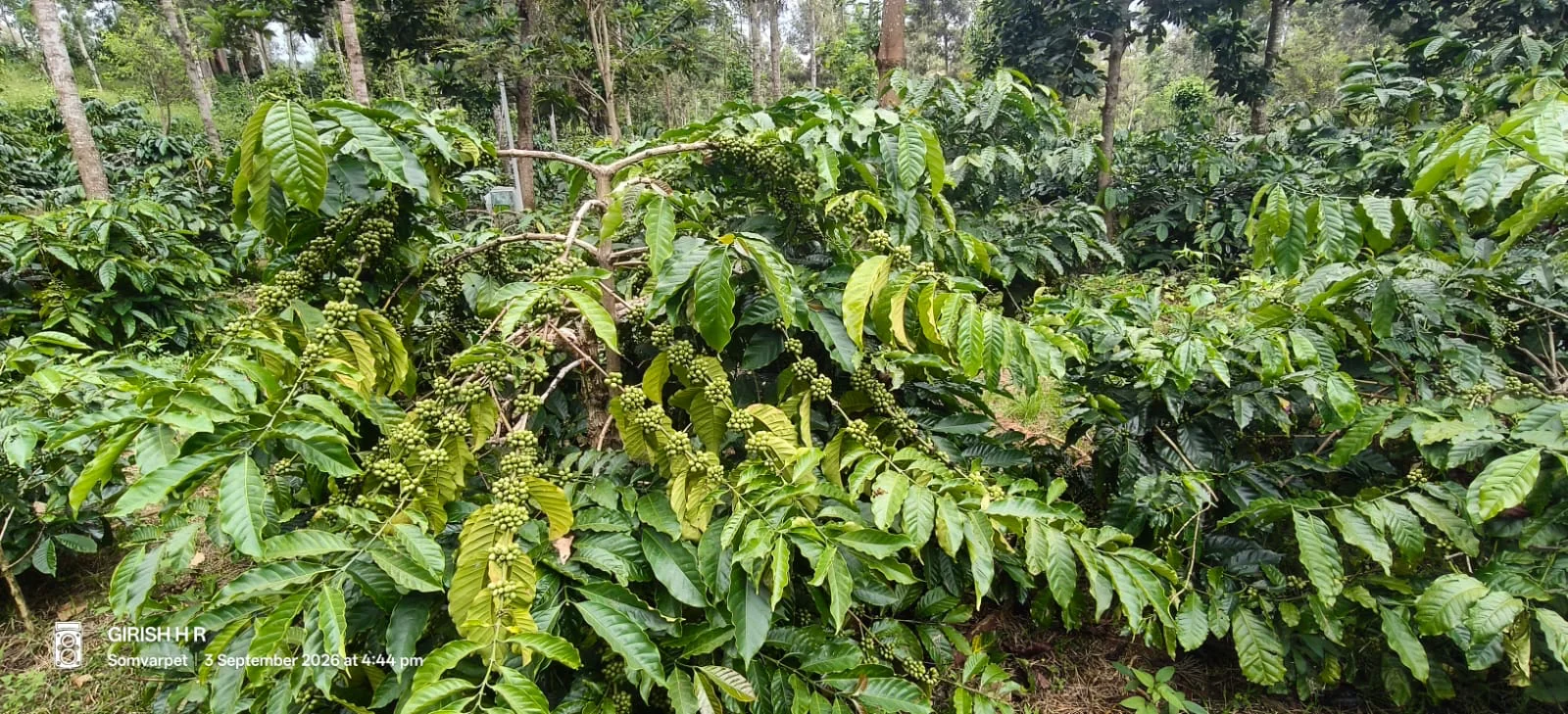
Coffee plantation at SAARTHA ESTATE, September 2026
Coffee Estate — plantation view, 3 September 2026
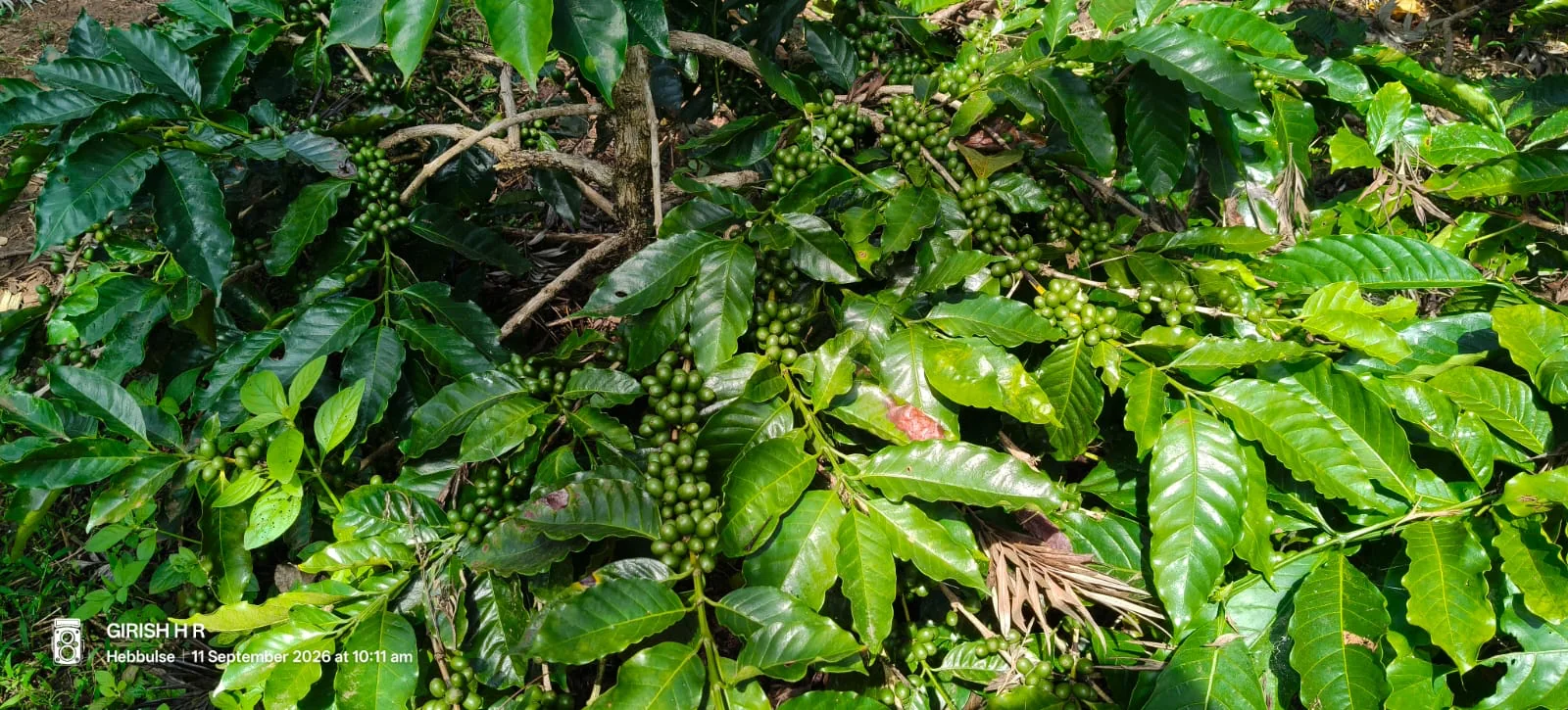
Coffee berries at SAARTHA ESTATE, September 2026
Coffee — berry development, 11 September 2026
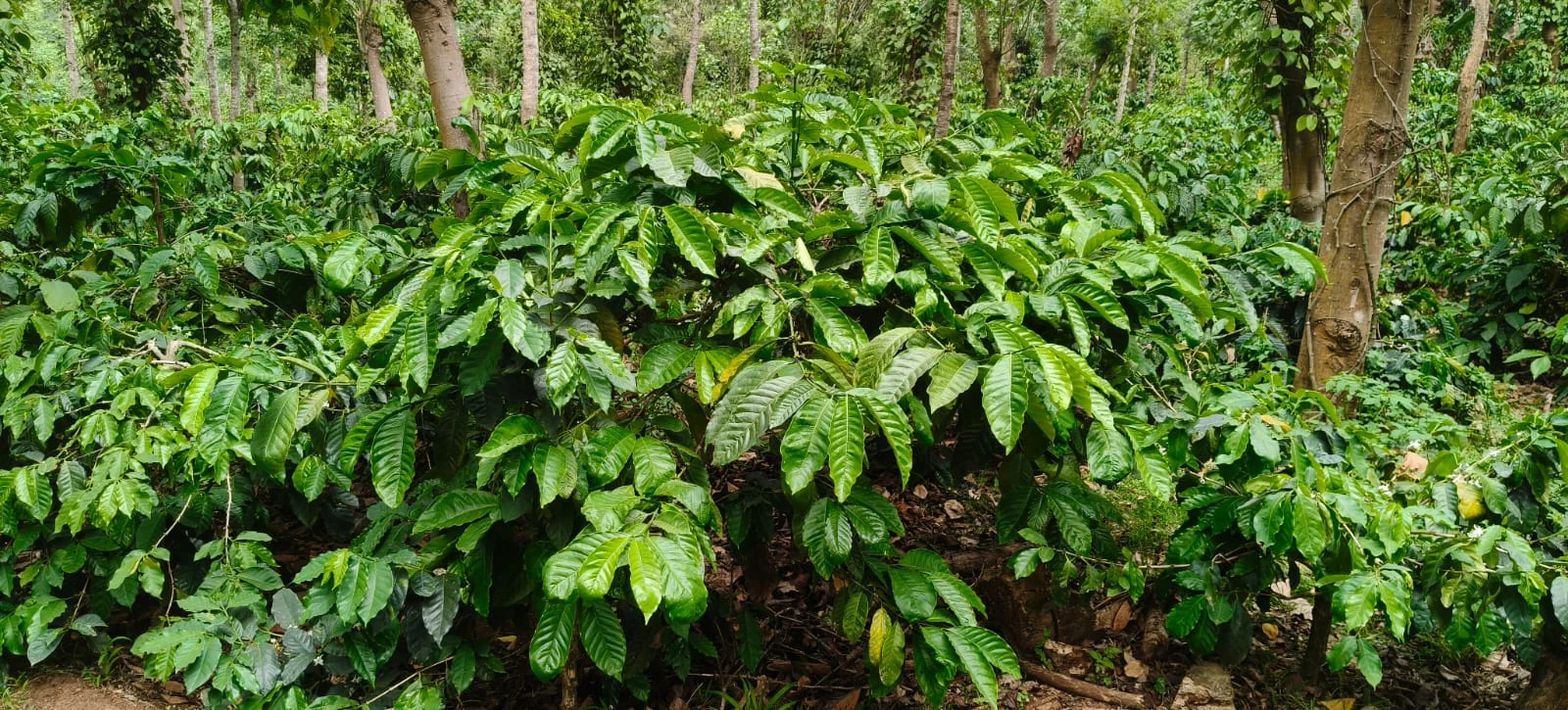
Coffee plants photographed after irrigation and NPK drench at SAARTHA ESTATE, October 2026
Coffee plants — field condition photographed 20–30 days after irrigation and NPK drench, October 2026
Avocado tree carrying green fruits, photographed in May 2026
Avocado — full tree with fruit, May 2026
Close-up of green avocado fruit clusters, photographed in May 2026
Avocado — fruit clusters, May 2026

Fruit Trees & Estate Diversity

Additional fruit-tree photographs from SAARTHA ESTATE, documenting the diversity being developed alongside coffee and pepper.

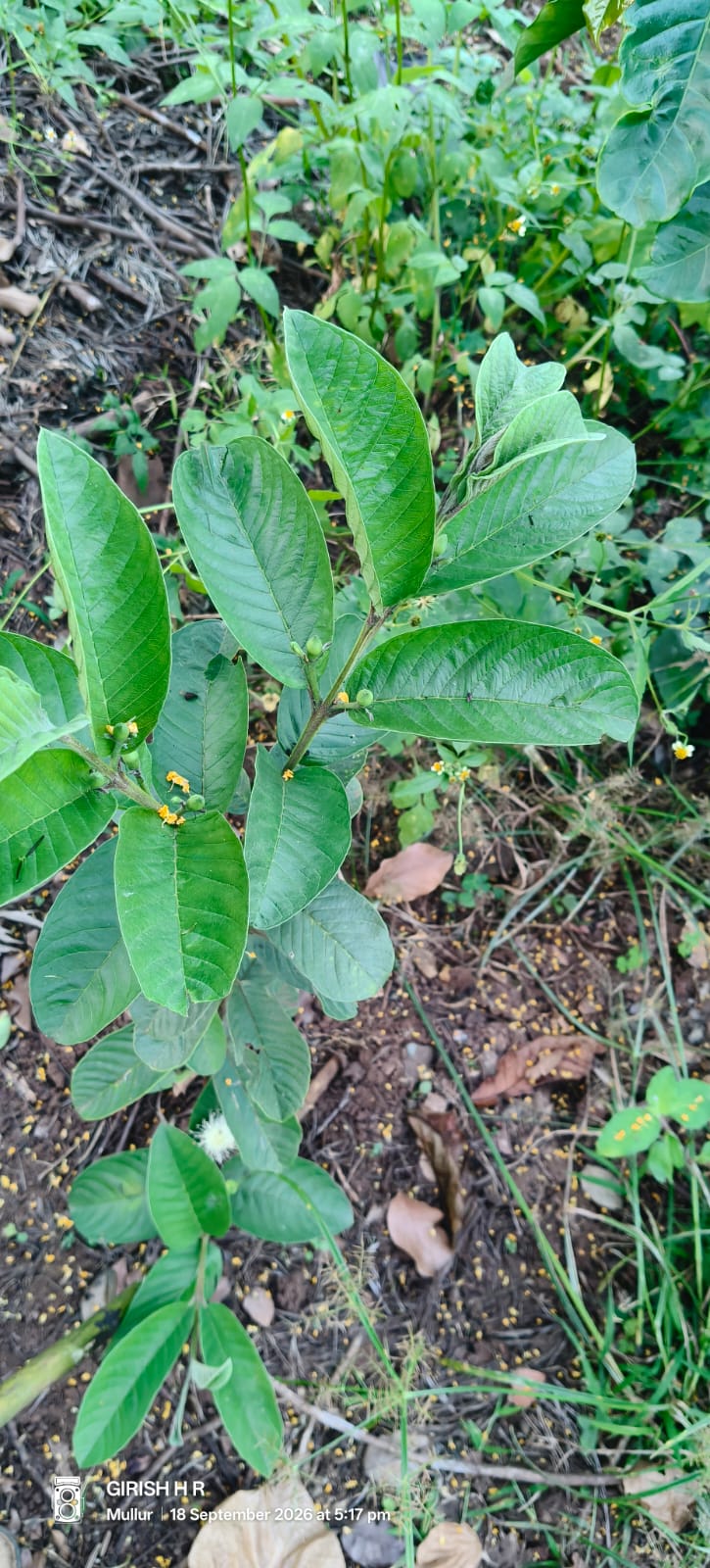
Guava plant at SAARTHA ESTATE
Guava — estate field photograph
Jamoon tree at SAARTHA ESTATE
Jamoon — estate field photograph

Field record: These are estate photographs supplied by the owner. Captions describe what is visible and the recorded context; they do not claim that any single treatment caused a particular plant response.

Pepper — Fruiting Vines, November 2026

Two established pepper vines were observed carrying a reasonably good crop during the first week of November 2026. These field photographs are retained as a seasonal record; the crop is more clearly noted from the field observation than the photographs alone may convey.

Established pepper vine carrying crop at SAARTHA ESTATE, November 2026
Pepper — fruiting vine 1
November 2026. Field record of a vine carrying a good crop.
Established pepper vine carrying crop at SAARTHA ESTATE, November 2026
Pepper — fruiting vine 2
November 2026. A second field observation of crop development.

2026 Estate New Plant Establishments

A dated visual record of young plants, planting methods and the estate's continuing diversification. Coffee, Areca and Black Pepper are the three principal future crops being developed at SAARTHA ESTATE. This section follows their establishment, alongside Dhoopa, banana and fruit plants, through field photographs and periodic observations.

Areca Establishment — September 2026

Approximately six-month-old nursery-raised areca seedlings were transplanted into the estate during the first week of September 2026. The seedlings had developed adequate root systems before planting. Polybags were carefully removed while preserving the intact soil-and-root ball, minimising disturbance to the roots. As of 3 November 2026, no plant losses have been observed.

This is the baseline record for annual areca growth observations, planned around September–October each year.

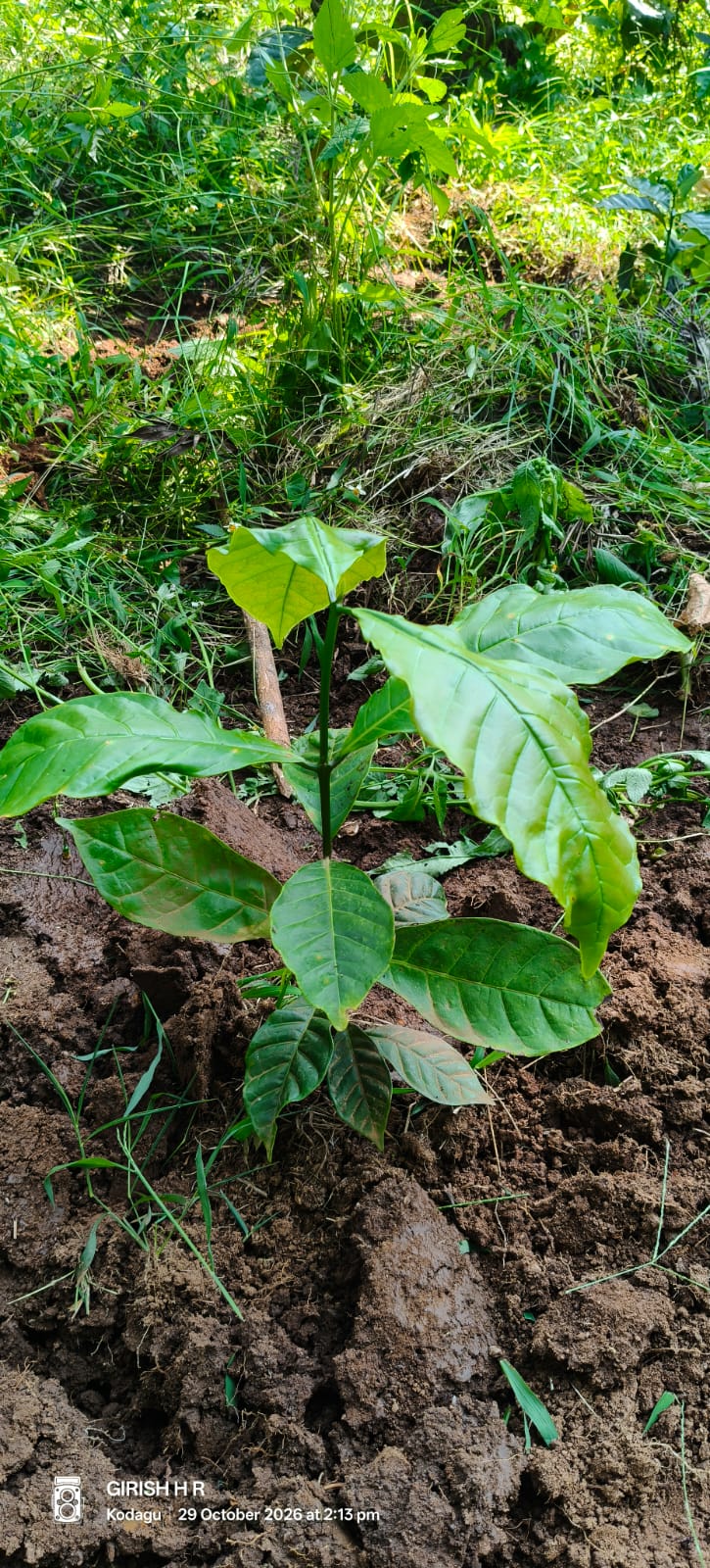
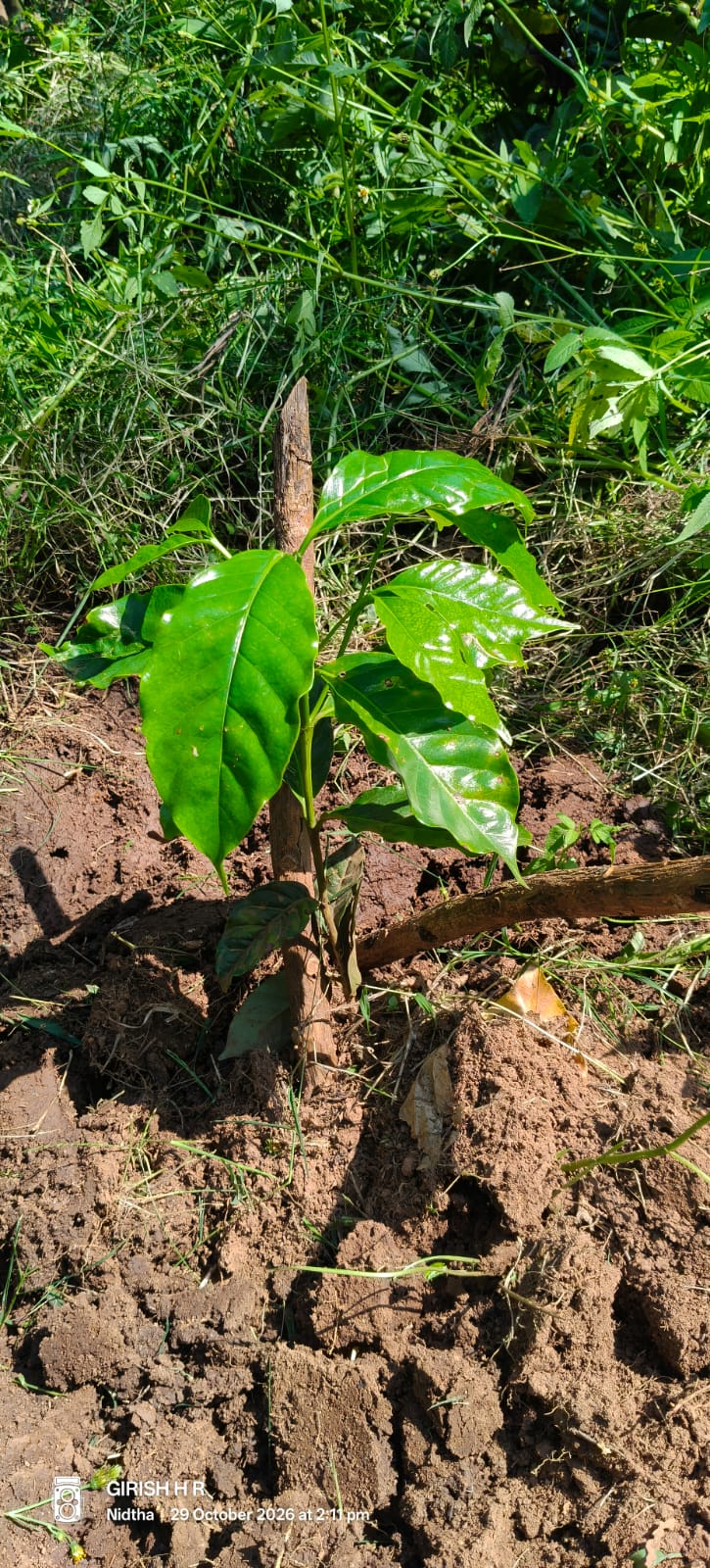
Coffee Establishment — CxR Robusta and Chandragiri Arabica, November 2026

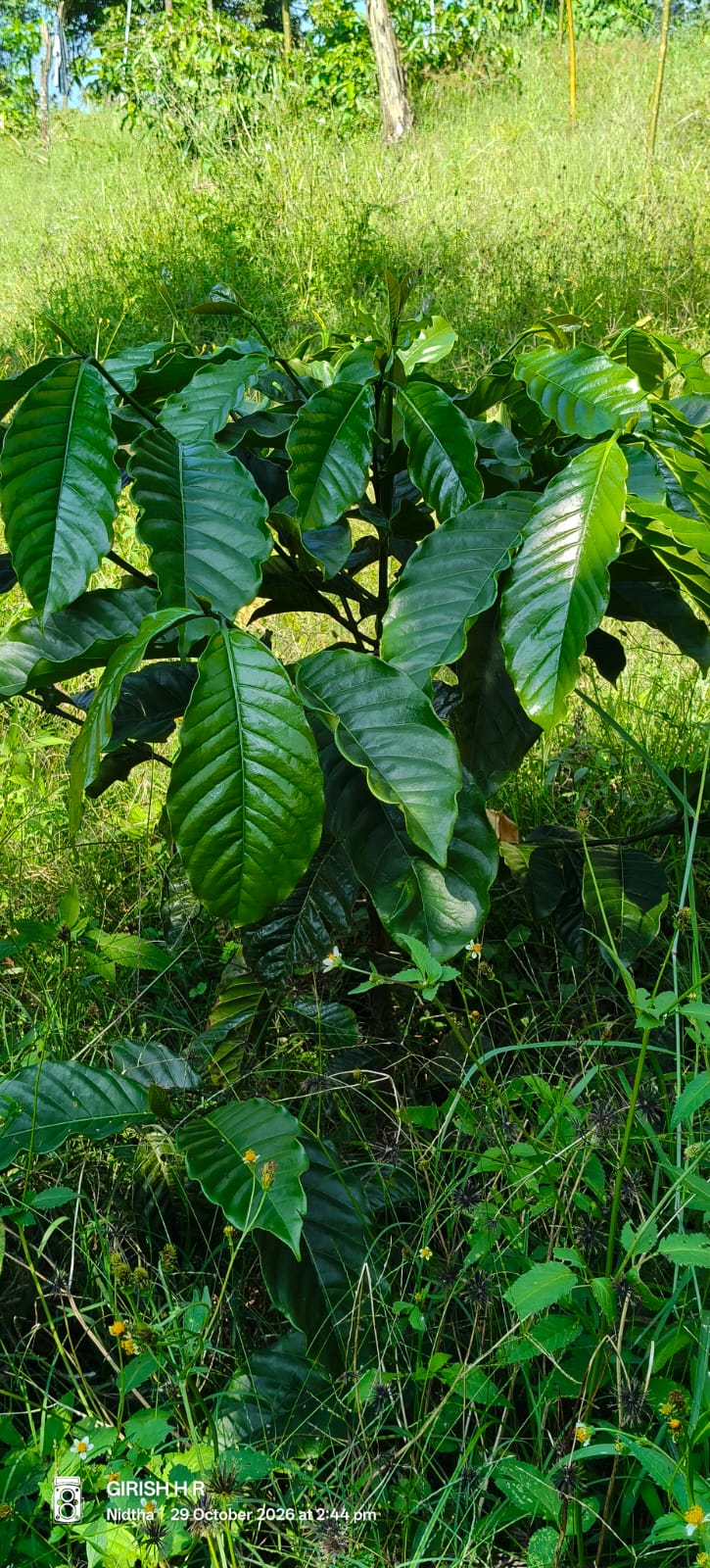
CxR Robusta: New CxR plants have been added to strengthen the estate's established Robusta plantation and build the next production cycle. The photographs document two stages: a newly planted coffee plant and a plant approximately 11 months old. Keeping both stages in the record will help us observe early establishment, canopy development and the progress of younger plants over time.

Newly planted CxR Robusta at SAARTHA ESTATE, November 2026
CxR Robusta — newly planted
November 2026. Baseline photograph at the time of establishment.
Full view of CxR Robusta approximately 11 months old at SAARTHA ESTATE, November 2026
CxR Robusta — approximately 11 months old
November 2026. A growth-stage reference for future comparison.

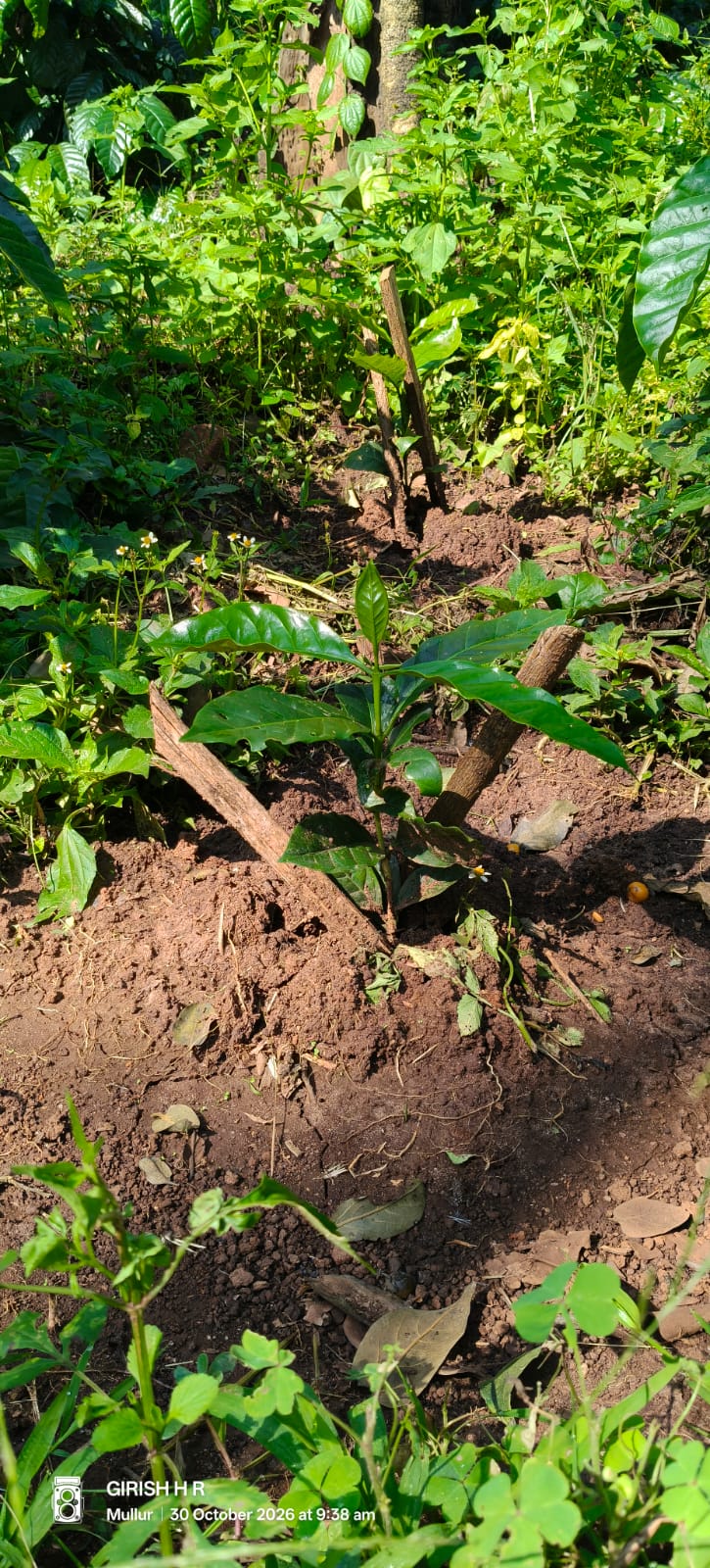
Chandragiri Arabica: Young Chandragiri plants are being established alongside the CxR Robusta rows as part of the estate's mixed-coffee planting plan. These photographs provide an early visual baseline for the new group. Their development will be followed through periodic field photographs, noting new flush, branching, canopy formation and adaptation to the field.

Young Chandragiri Arabica plant at SAARTHA ESTATE, November 2026
Chandragiri Arabica — field view 1
November 2026. Early establishment record.
Young Chandragiri Arabica plant at SAARTHA ESTATE, November 2026
Chandragiri Arabica — field view 2
November 2026. A second field view for future growth comparison.

These photographs are the starting point for a continuing coffee establishment record. Future updates will use comparable views wherever possible, so plant development can be followed across seasons rather than judged from a single photograph.

Black Pepper — Establishing a Future Crop, 2026

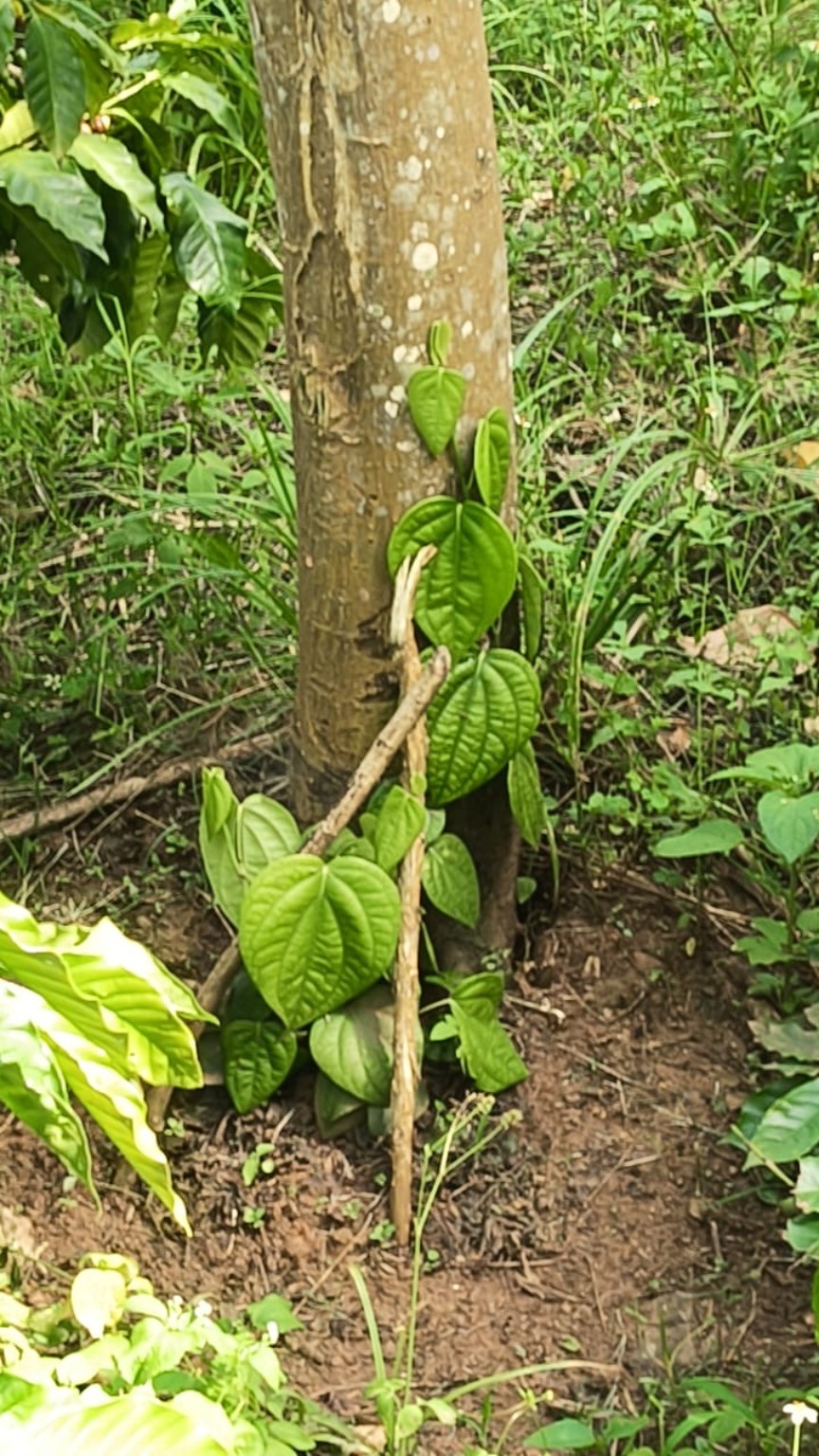
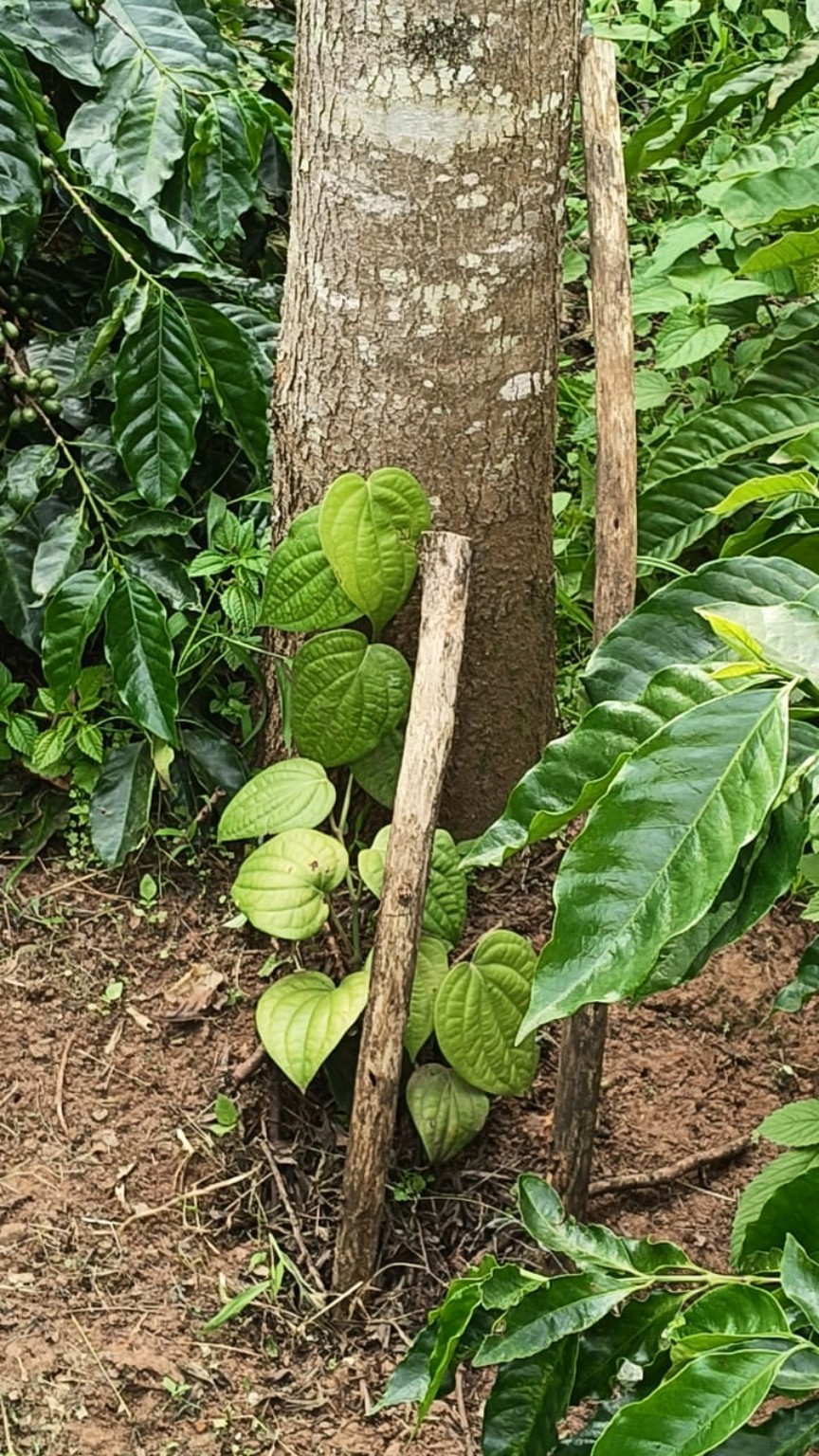
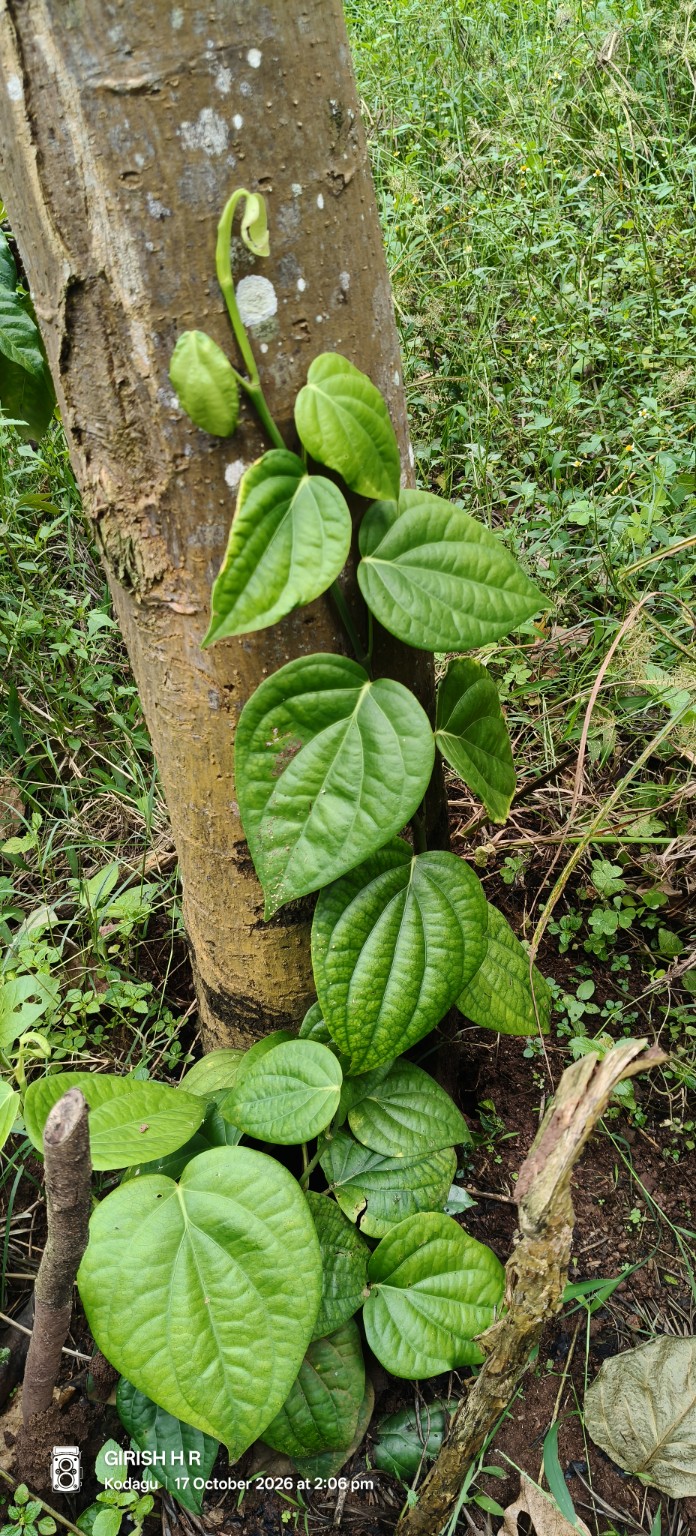
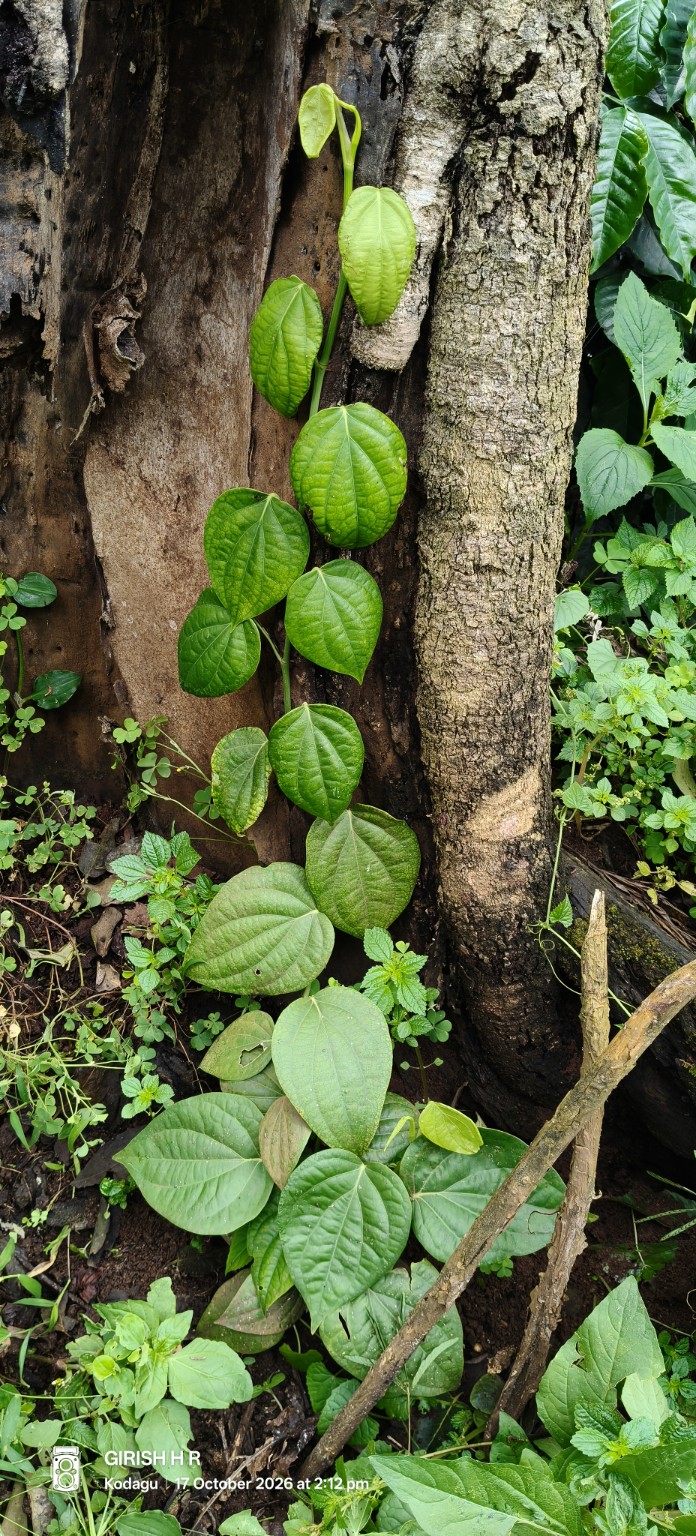
Black Pepper is one of the three principal future crops of SAARTHA ESTATE, alongside Coffee and Areca. During 2026, approximately 1,000 young Panniyur-1 pepper vines were added to the existing plantation, strengthening the estate's long-term pepper development programme.

Pepper is a perennial crop that needs time, suitable support and consistent care to develop into productive vines. The young plants will be guided as they establish, climb their support trees and develop a healthy canopy. Their progress will be documented through periodic field photographs, with attention to new shoots, vine growth, branching, flowering, spike formation and eventual berry development.

The estate already has established pepper vines, while these new plantings represent the next generation. We see them as an important part of our future production potential, alongside the continuing development of CxR Robusta, Chandragiri Arabica and Areca.

Our long-term direction is clear: Coffee, Areca and Black Pepper will form the three important pillars of SAARTHA ESTATE's future. These plantations are being developed patiently, with field observations and actual harvests guiding our expectations rather than assuming immediate returns.

Photographic record: Young pepper vines established during 2026 — the starting point for tracking their development over the coming seasons.

Young pepper vine climbing its support tree at SAARTHA ESTATE
Young pepper vine — field view 1
October 2026. Early growth on the support tree.
Young pepper vine with developing leaves at SAARTHA ESTATE
Young pepper vine — field view 2
October 2026. A reference for future growth comparison.
Pepper vine climbing a tree support at SAARTHA ESTATE
Pepper vine on support — field view 3
October 2026. Support-tree establishment record.
Young pepper vine in a shaded plantation at SAARTHA ESTATE
Young pepper vine — field view 4
October 2026. A further field reference for seasonal monitoring.

Other Estate Establishments

Alongside the three principal future crops, SAARTHA ESTATE is developing shade, support and fruit-tree diversity. These photographs preserve the early field record of additional plants.

Coffee saplings gathered along the entrance path at SAARTHA ESTATE
Coffee saplings at the farm entrance
Photographed before planting, October 2026.
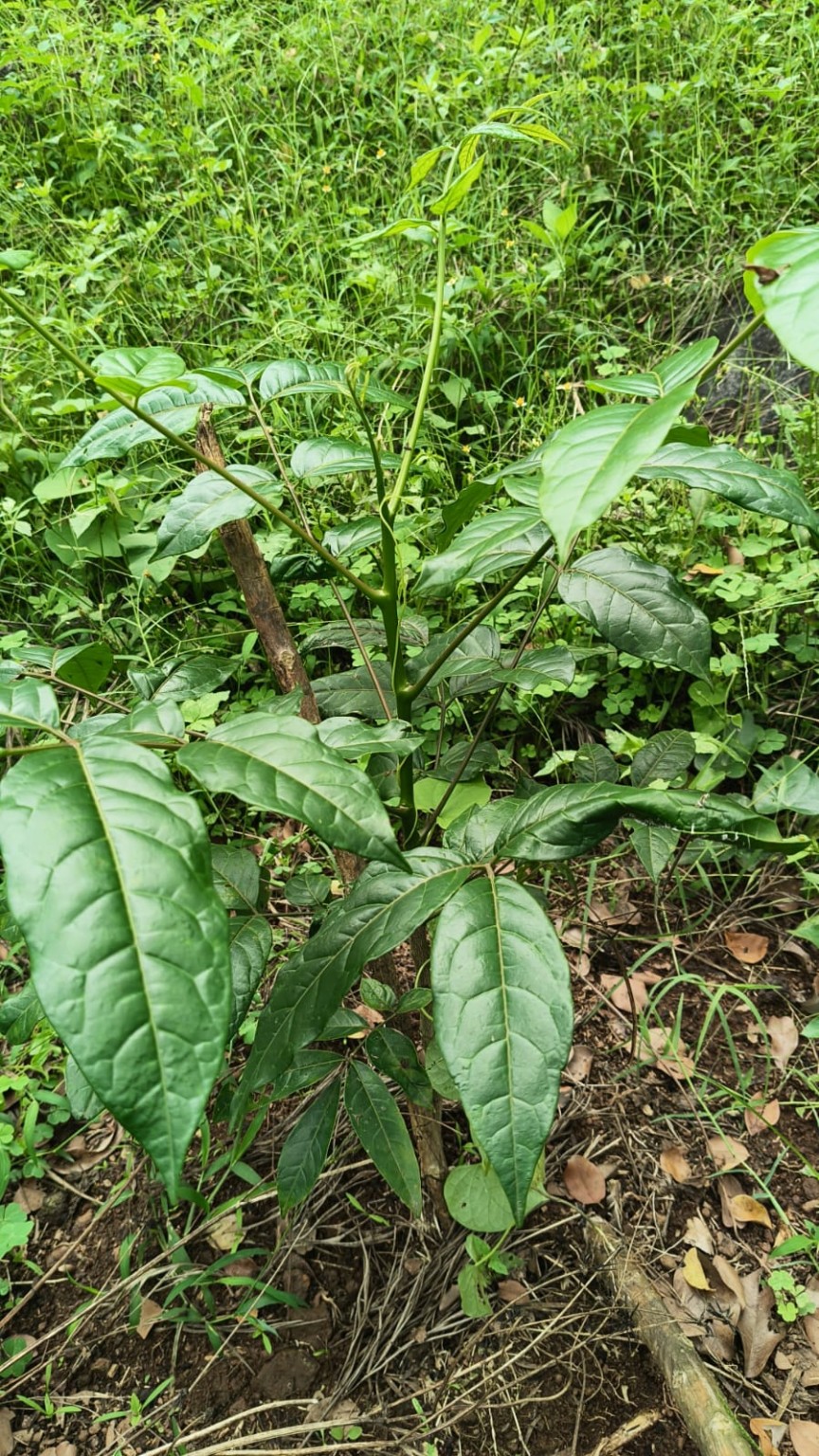
Newly planted Dhoopa plant at SAARTHA ESTATE
Dhoopa plant
Field photograph shared 17 October 2026.
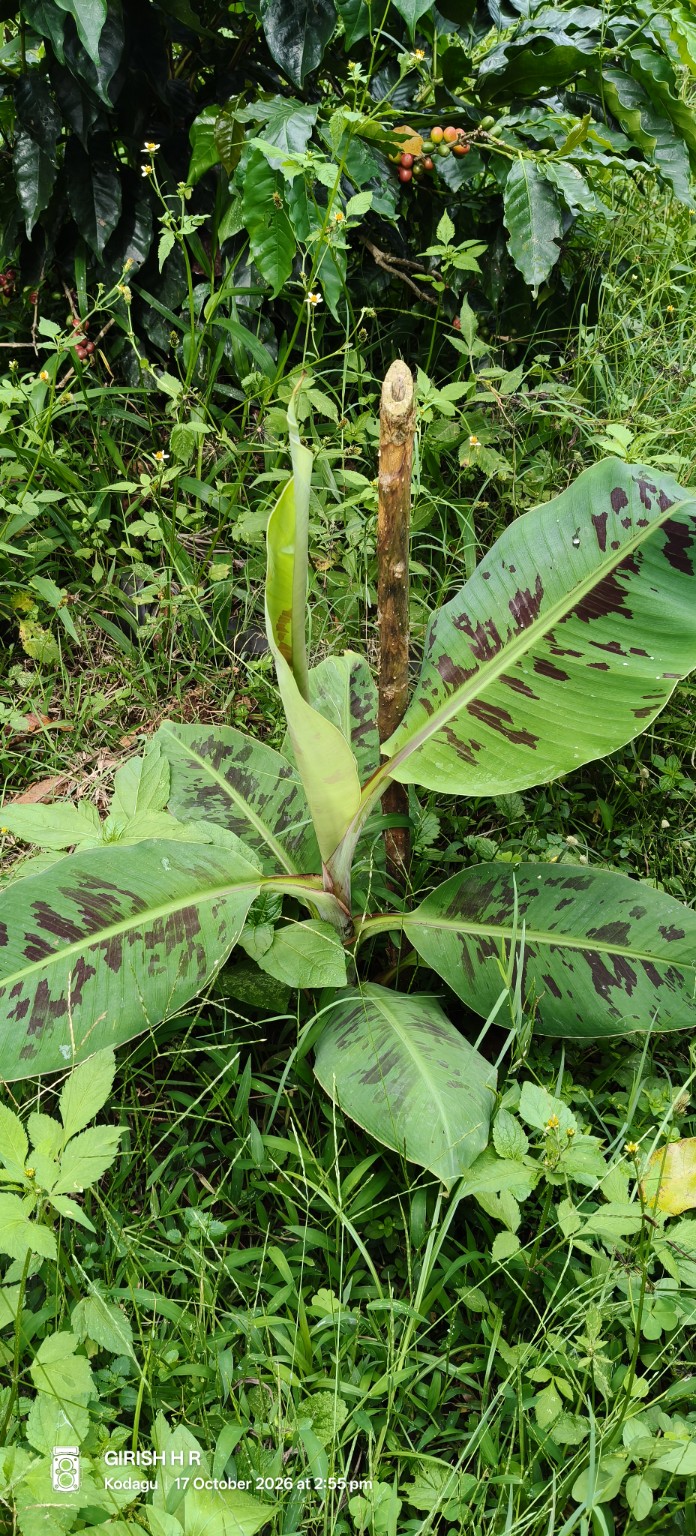
Banana plant at SAARTHA ESTATE
Banana plant
Field photograph shared 17 October 2026.
Continuing record: Future visits will add comparable views of coffee, areca, pepper and other estate plants. Plant ages and establishment dates will be labelled only where supported by the estate's records.

Harvest 2026 — Coming Soon

A small first release from SAARTHA ESTATE is planned around the December 2026 coffee harvest, with estate Black Pepper also planned for release as the crop becomes ready.

Chandragiri Arabica

Estate-grown Chandragiri Arabica coffee. The first 2026 release will follow harvest, processing, quality checks and compliant packaging.

Coming December 2026

CxR Robusta

Estate-grown CxR Robusta, harvested separately and documented as its own coffee lot.

Harvest from December 2026

Estate Black Pepper

Black pepper grown as an intercrop across SAARTHA ESTATE, with the cultivation record and harvest journey documented from the field.

Coming Soon
How we will launch: For this first harvest, the website will remain primarily an information and research site. Product enquiries can be handled through WhatsApp while the formal food-business, labelling and online-sale requirements are put in place. No online checkout is being presented yet.
Our cultivation statement: SAARTHA ESTATE coffee and pepper are being cultivated without the use of synthetic pesticides, herbicides or fungicides. This describes our estate management practice; it is not a claim of laboratory-certified zero residue. Independent testing and compliant product labelling will be addressed before commercial packaged-food sales.

Our Long-Term Vision — 2030 and Beyond

SAARTHA ESTATE is being developed as a long-term, diversified plantation. The outlook combines continued improvement from existing coffee plants with additional production from younger coffee and pepper plantings, followed by the gradual development of areca and pepper grown on suitable areca palms.

SAARTHA ESTATE is currently in a development phase. Income remains modest while investments in plantations, infrastructure and crop care continue. Over the next five to six years, existing coffee plants are expected to continue developing, while younger planting groups may add progressively to the harvest. These gains are additional to production from the existing plantation, not a replacement for it.

The focus is on steady progress, realistic expectations and long-term growth rather than immediate returns. Production is reviewed over several seasons because perennial crops take time to reach their productive potential, and actual results depend on weather, plant health, management and market conditions.

Building the Next Stages of Production

Coffee: Alongside the existing coffee crop, around 600–1,000 young CxR Robusta plants aged approximately 2–12 months and about 2,500 Chandragiri Arabica plants aged around two months are being established. A further 3,000–4,000 Chandragiri Arabica plants are planned for planting in 2027, subject to availability and field conditions. Together, these planting groups are intended to add to production progressively over the coming years as the plants mature; first bearing and full production will vary by plant and growing conditions.

Pepper: The estate has around 500–600 established vines aged approximately 2–5 years, alongside a substantial group of young vines planted during 2026. The established vines offer the nearer-term opportunity, while the younger vines represent a longer-term production pipeline. As the vines mature and climb their support trees, their flowering, fruit set and yield will be documented over successive seasons. Higher yields require well-established, healthy vines; local growers’ results are useful benchmarks, not guaranteed outcomes for every vine.

Areca establishment: The nursery-raised palms were planted during the first week of September 2026, after developing adequate root systems. Polybags were carefully removed while preserving each intact soil-and-root ball, minimising disturbance during planting. No plant losses had been observed as of 3 November 2026.

Areca and integrated pepper: Around 1,500 areca palms planted in 2026 are expected to begin bearing around 2031–32, subject to variety, palm development and growing conditions. Areca could become a major contributor to future farm income if yields and market demand are favourable. Pepper vines may also be trained on suitable palms as they mature, creating a further potential income stream and helping diversify market risk.

These planting counts and timelines describe the current development plan, not guaranteed production. Actual yields and timing will be updated as the plants mature and harvest records become available.

Indicative Five-Year Production Outlook

These figures are planning estimates, not promises or guaranteed outcomes. They will be reviewed as actual harvests, plant maturity, weather and crop health become clearer.

YearCoffee (bags)Dry pepper (kg)
2026 — current assessment75–80150–250 expected
202790–100350–450
2028110–130600–750
2029150–1601,000–1,100
2030180–1901,300–1,500

The 2026 coffee figure is the current estimate, compared with an earlier June–July estimate of 65–70 bags. The 2026 pepper quantity is still expected and will be updated after the final dried weight is confirmed. Pepper estimates for 2031 and 2032 remain part of the longer-term estate plan and are not included in this five-year table. All future estimates may change as the estate develops.

Areca and Pepper — A Longer-Term Opportunity

Areca palms are being established as a longer-term part of SAARTHA ESTATE’s crop diversification. Initial areca bearing is anticipated around 2031, with production expected to build progressively as the palms mature. If growing conditions, yields and market demand develop favourably, areca could become a major contributor to the estate’s future farm income.

The longer-term plan also includes training pepper vines on the areca palms after the stems have matured and developed a rougher surface—anticipated after the first five to seven years of growth. This offers another potential source of production and helps diversify the estate’s future income rather than relying on a single crop or market.

These are planning expectations, not guaranteed returns. Actual outcomes will depend on palm maturity, vine establishment, weather, crop health, market prices and any changes in regulations or demand affecting areca-based products.

2026 — Season Progress

The current coffee production assessment is 75–80 bags, compared with an earlier estimate of 65–70 bags made in June–July 2026. Dry pepper production is currently expected to be around 150–250 kg, subject to the final dried weight.

These are production estimates and expectations, not a statement of net earnings. Final results will be recorded after the harvest and processing figures are confirmed.

Building SAARTHA ESTATE for the Long Term

SAARTHA ESTATE is a long-term agricultural venture being developed step by step. Some investments establish essential infrastructure and plantations for years to come, while regular expenditure supports the ongoing care of the crops. The focus is on steadily improving the estate, strengthening its productive capacity and building a sustainable future through experience, research and patient effort.

Long-Term Investments

Building the foundation of the estate

  • Fencing and property protection
  • Borewell and water infrastructure
  • Pumps, pipelines and Winkler irrigation
  • Farm machinery and equipment
  • Establishing coffee, pepper and other plantations

Regular Farm Expenditure

Nurturing the plantation every season

  • Labour and routine maintenance
  • Brush cutting and weed management
  • Fertilisers, soil amendments and microbial inputs
  • Irrigation operation and plant care
  • Harvesting, processing and transportation

How SAARTHA ESTATE Reports Its Evidence

Field observations, laboratory-supplied formulation information, hypotheses and measured results are kept distinct. The purpose of this site is to document what happens on the estate over time—not to turn a promising observation into a proven claim before the evidence is available.

Legacy archive: SAARTHA ESTATE is intended to preserve the knowledge, experiments, results, memories, photographs and field lessons of the estate for future generations.